What Is Higan-ake (End of Higan)?
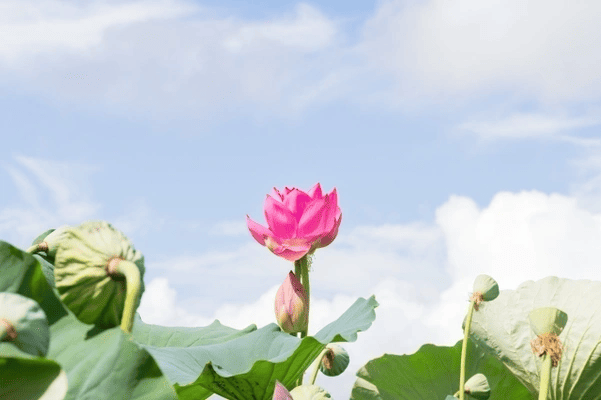
Higan is a seven-day period centered around the Spring Equinoxhttps://www.group-shinka.com/culture/vernal-equinox-day-japan and Autumn Equinox https://www.group-shinka.com/culture/shubun-no-hi including the three days before and after the equinox. While there may be slight variations depending on regional customs, it is generally accepted that the first day is called Higan no Iri (the beginning of Higan), and the final day is referred to as Higan-ake (the end of Higan).
Many people use this period to clean the family altar, visit graves, and hold memorial services before the final day arrives.
Origin and History of Higan-ake
In Buddhist philosophy, the present world is called shigan (this shore), while higan (the other shore) refers to the state of nirvana, free from worldly desires. Higan lies to the west and Shigan to the east, and during the equinoxes—when the sun sets directly in the west—it is believed to be the best time to symbolically cross from this world to the other. This belief gave rise to the custom of holding memorial services during Higan.
Interestingly, this custom of ancestral veneration during the equinoxes is unique to Japan and is not found in other Buddhist countries.
"Higan-ake" in Ancient Indian Language
Some theories suggest that the term higan originates from the ancient Indian Sanskrit word Pāramitā, which means "the spiritual journey from the shore of worldly desires (this world) to the other shore of enlightenment (nirvana or the Pure Land)."
Because of this meaning, some regions avoid using the term Higan-ake, believing that as long as one lives, one cannot be completely free from worldly desires.
Higan-ake (彼岸明け) refers to the final day of the Higan period, a Buddhist tradition observed in Japan during the Spring and Autumn Equinoxes. The full Higan period lasts seven days—three days before and after the equinox, with the equinox itself as the central day (chūnichi). The final, seventh day is called Higan-ake, marking the end of this spiritual time of reflection and ancestor veneration.
In both spring and autumn, the end of Higan falls three days after the Spring Equinox or Autumn Equinox, respectively.
Since the exact dates of the Spring and Autumn Equinoxes are determined through astronomical observation, they can vary slightly from year to year. If you're curious about the specific dates, it's best to check the current year's calendar based on the equinox to determine the end of Higan.The date of Higan-ake changes each year, as it depends on the date of the Spring Equinox (around March 20–21) or Autumn Equinox (around September 22–23). Higan-ake falls three days after the equinox. It's recommended to check the specific equinox date each year to determine the exact Higan-ake day.https://www.group-shinka.com/culture/higan-iri
|
Autumn Higan |
Spring Higan |
|
7-day period centered on the Autumn Equinox |
7-day period centered on the Spring Equinox |
The Significance of Higan-ake
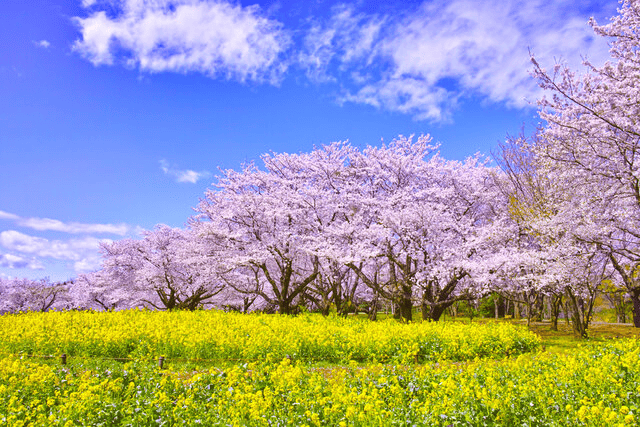
In Buddhist belief, shigan (此岸, this shore) represents the present, worldly life filled with desires and suffering, while higan (彼岸, the other shore) symbolizes enlightenment and peace. During the equinox, the sun rises due east and sets due west—believed to align this world with the next, making it the most spiritually accessible time to connect with ancestors and seek personal reflection.
Higan-ake is not just an endpoint—it's a reminder to return to daily life with gratitude, mindfulness, and a renewed sense of purpose.
Things to Do Before the End of Higan
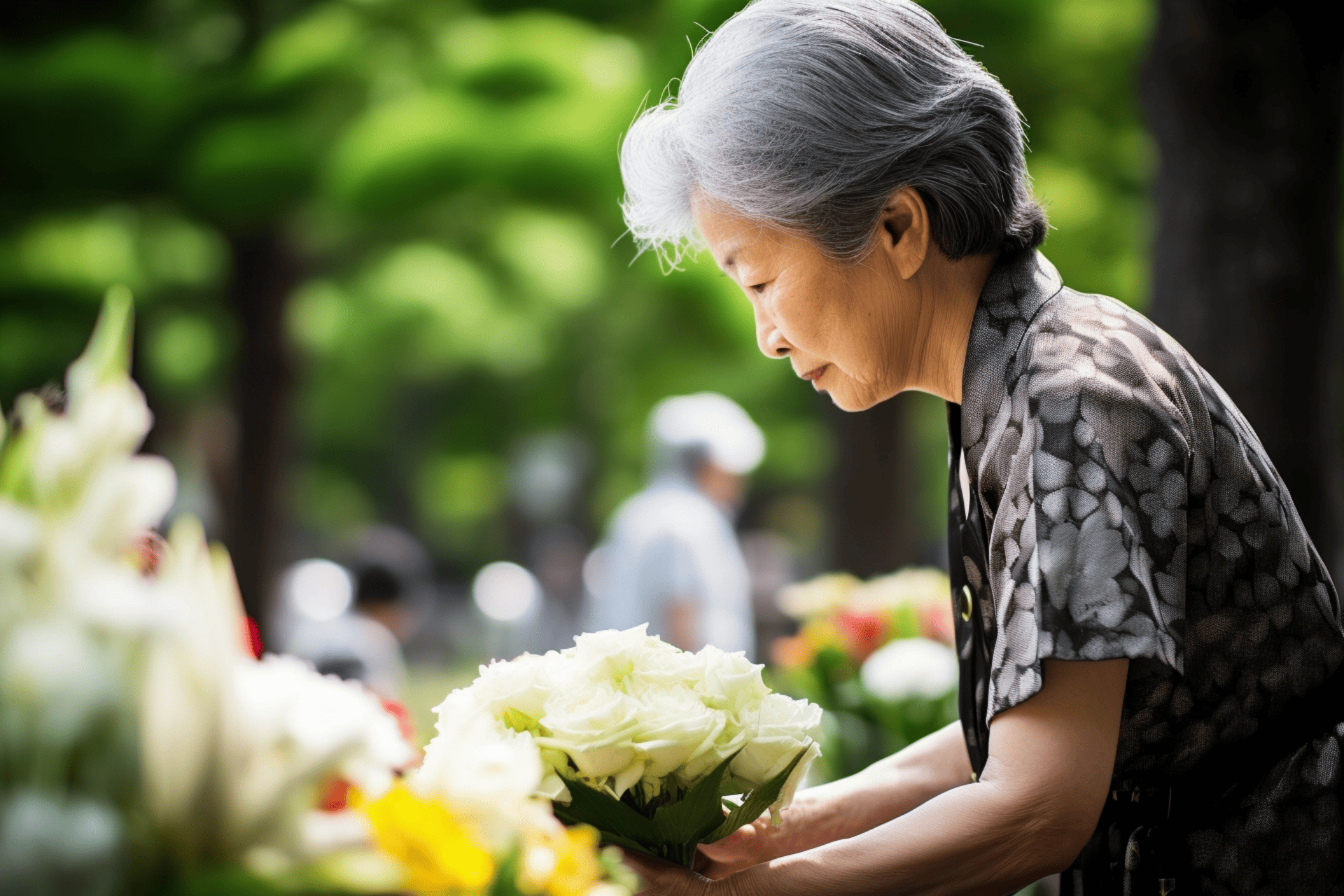
When people think of Higan, visiting graves often comes to mind. Higan is generally considered a suitable time for grave visits, and many people take this opportunity to clean the family altar, visit graves, and hold memorial services before Higan ends.
Cleaning the Family Altar
One common practice during Higan is cleaning the family altar (butsudan) and the associated ritual items. Even if you regularly maintain the altar, this special period for honoring ancestors is a good time to clean everything thoroughly, with a renewed sense of remembrance and respect.
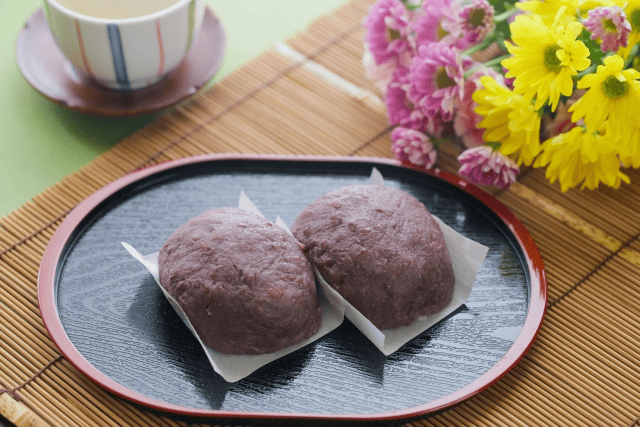
For offerings, consider choosing traditional sweets that match the season. Once the cleaning and offerings are complete, take a moment to reflect and express your thoughts or daily updates to your ancestors as you pray before the altar.
Visiting the Grave
Try to coordinate your family's schedule to visit the grave together during Higan. You may visit on any day during the Higan period, but keep in mind that some regions have specific customs regarding the appropriate day for grave visits, so it's best to check ahead.
Many people also take this time to clean the gravesite. Keeping the grave clean and well-maintained is a meaningful gesture that will surely be appreciated by your ancestors.
Memorial Services (Hōyō)
During Higan, many temples hold group memorial services (gōdō hōyō), which are open to anyone. If the timing works out, you may consider attending.
Some families also invite a Buddhist priest to their home for a private service, during which sutras are chanted in honor of specific ancestors. This is a heartfelt way to show respect and offer prayers for their peace.
Recommended Time for Visiting the Grave at the End of Higan
Visiting graves after Higan ends is perfectly fine, as the final day of Higan still falls within the Higan period. What matters most is not strictly adhering to the dates, but rather sincerely remembering and honoring the deceased with heartfelt offerings and prayers.
There may be years when, due to scheduling conflicts, you're unable to visit the grave during the official Higan period. While it is customary to visit during Higan, visiting afterward is not a problem if circumstances prevent it. What’s most important is the act of honoring your loved ones.
If you're unable to make time for a grave visit, it's recommended to at least offer prayers and remembrance at home.
It is not necessary to avoid celebrations such as weddings during or after Higan. While Higan is a time when many people visit graves or attend memorial services, it is not a mourning period like mochū (official mourning).
That said, Higan can be a busy time for some families, so holding weddings after Higan may make it easier for more guests to attend. For this reason, some people may choose to plan celebrations like weddings for after the Higan period.
Summary
The end of Higan (Higan-ake) marks the conclusion of the Higan period in Japan, a time dedicated to honoring ancestors and reflecting on the balance between life and death. It occurs during the spring and autumn equinoxes and signifies a time of spiritual renewal, where families visit the graves of loved ones, offer food and prayers, and celebrate the cyclical nature of life. During Higan-ake, individuals ensure that their rituals are performed with respect and tradition, keeping the connection between the physical and spiritual worlds intact.
If you're interested in traveling to Japan, please feel free to contact us.