What is Showa Day Japan?
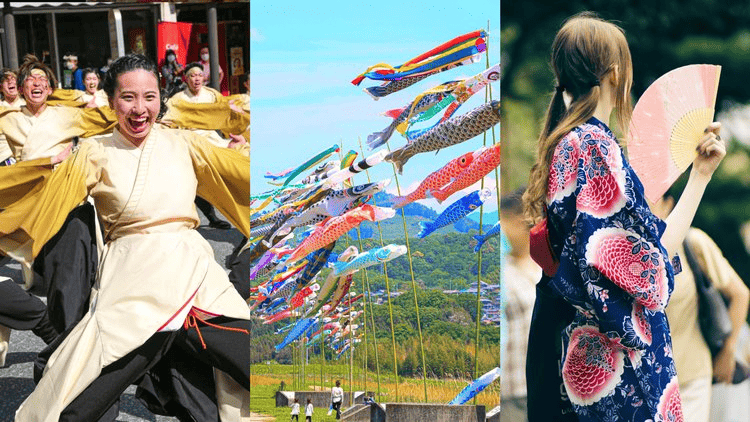
Showa Day (昭和の日, Shōwa no Hi) is a public holiday in Japan held on April 29. It honors the birthday of Emperor Shōwa (Hirohito), the reigning emperor from 1926 to 1989. Shō (昭) means "shining" or "bright", and wa (和) means "peace", signifying the "enlightened peace" that citizens receive.
Emperor Hirohito died on January 7, 1989. April 29 was subsequently no longer celebrated as The Emperor's Birthday but instead as Greenery Day, part of Japan's Golden Week. After a series of failed legislative attempts beginning in 2000, the April 29 holiday was finally renamed Shōwa Day in 2007 with support from the ruling coalition composed of the Liberal Democratic Party and Komeito, and the largest opposition Democratic Party of Japan. Greenery Day was moved from April 29 to May 4.

Tetsuzo Fuyushiba from Komeito stated that "It's a day to remember the Showa era. We're not proposing it for the purpose of praising the war nor does it have anything to do with the Emperor." According to the then-main opposition party, the Democratic Party of Japan (which backed the bill for the first time after many years of refusal), the holiday encourages public reflection on the turbulent 63 years of Hirohito's reign rather than glorifying the emperor himself.On the other hand, the Japanese Communist Party condemned the move and argued that the Japanese Constitution is based on remorse for the war of aggression, and celebrating peace on Hirohito's birthday would not be appropriate.Hirohito's reign saw, among other things, the end of the Taishō Democracy, the 1931 Japanese invasion of Manchuria, a period of "government by assassination" including the attempted coups of May 15, 1932 and February 26, 1936, the rise of the totalitarian Taisei Yokusankai, World War II, atomic bombings of Hiroshima and Nagasaki, the post-war occupation, the Anpo protests, the 1964 Summer Olympics and Paralympics in Tokyo, the North Korean abductions of Japanese citizens, and the Japanese post-war economic miracle.
What food is eaten on Showa Day?
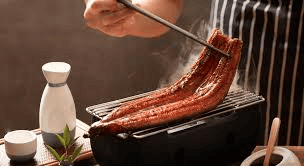
- 鰻 unagi
One main food is connected to Showa Day – unagi. This food was former Emperor Showa's favorite food. Many people remember him by enjoying any unagi-filled dish. If you still want to celebrate without eating eel, try Bonchi Uni Rice Crackers (6 Packs) or Iwatsuka Seika Otona no Otsumami: Ebi Crunch (1 Bag).
What are the traditions of Showa Day?
Since Showa Day is more of a memorial day than festive celebration, events on the day don’t tend to take on a flashy or colourful atmosphere. Activities on this day tend to take on a gentler nature from admiring the cherry blossoms to having picnics or visiting shrines.
For instance, one way people choose to honour the day is by paying a visit to the Musashino Imperial Mausoleum in Tokyo where Emperor Showa is buried. Another common activity on this day is to attend the National Showa Memorial Museum in Tokyo and learn about this decisive period in history. In a similar spirit, there are often public lectures that are arranged to discuss the Showa Period to further people’s understanding of its history.
Since Showa Day is more of a memorial day than festive celebration, events on the day don't tend to take on a flashy or colourful atmosphere. Activities on this day tend to take on a gentler nature from admiring the cherry blossoms to having picnics or visiting shrines.
Showa Day and Golden Week
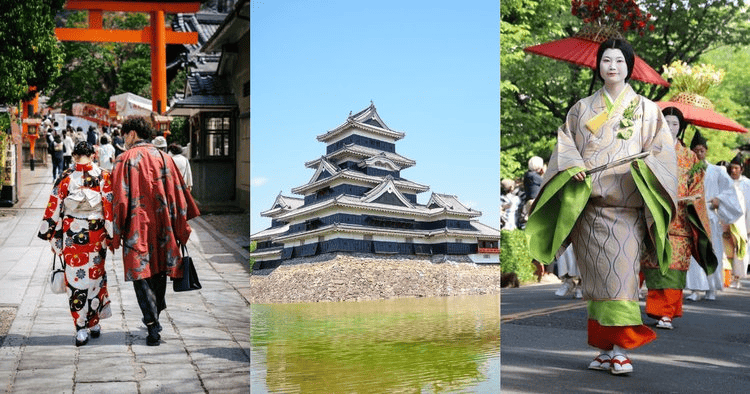
With Showa Day taking place on April 29 each year, it acts as the first national holiday of several that make up what’s known as Golden Week. Over a stretch of ten days in late April, early May there are four distinct public holidays clustered together full of festivities and celebrations.https://www.group-shinka.com/culture/hachiju-hachiya
The other national holidays are Constitution Memorial Day on May 3,https://www.group-shinka.com/culture/kenpo-kinenbi
Greenery Day on May 4 https://www.group-shinka.com/culture/greenery-day-japan
and Children’s Day on May 5 https://www.group-shinka.com/culture/childrens-day-japan,
each with their own distinct history and theme. Because these holidays are all set on an exact date rather than floating days, Golden Week has become a major fixture on peoples’ calendars and is one of the busiest times of the year in Japan. As such, many people in Japan take time off from work for the events of Golden Week or to travel.
Tips for Visiting During Golden Week
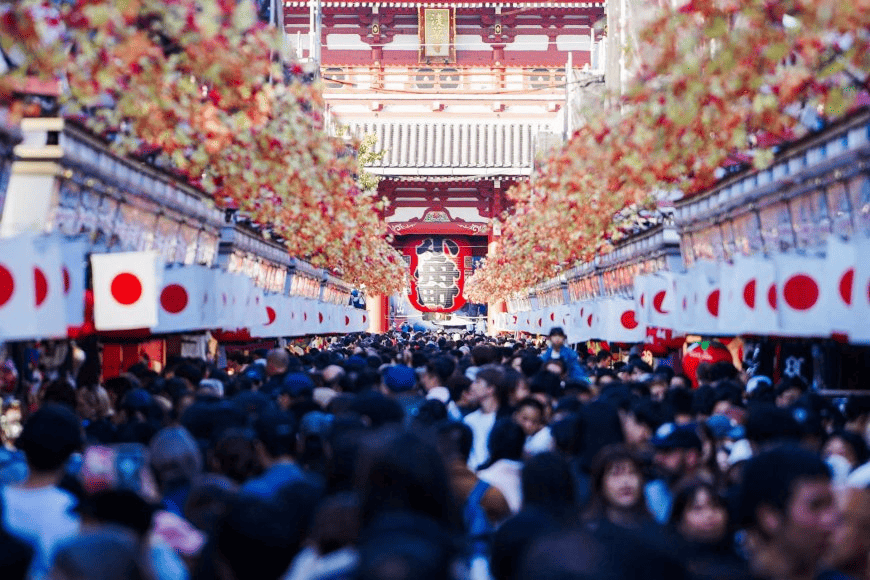
To enjoy Golden Week without the stress, prioritize early planning, be flexible with your itinerary, and consider alternative destinations. Book accommodations and transportation well in advance, especially for major cities and popular attractions. Be prepared for crowds and allow extra time for travel, especially on trains and buses. If possible, visit less-crowded areas or plan activities for weekdays or early mornings to avoid peak hours. Enjoy the flower festivals and local events, and be aware of potential changes in public transport schedules.
Detailed Tips:
- Book Early:
Secure accommodations, transportation (especially trains), and any ticketed attractions well in advance, ideally 3-6 months before your trip, as many options fill up quickly during Golden Week.
- Be Flexible:
Have a backup plan for destinations or activities, as crowds can be overwhelming. Consider adjusting your itinerary based on real-time crowd conditions.
- Explore Alternatives:
If you're looking to avoid the major tourist hotspots, consider visiting lesser-known areas, regional destinations, or even going overseas.
- Allow Extra Time:
Be prepared for delays and longer travel times, especially on trains. Reserve train seats, particularly for the Shinkansen (bullet train), to ensure you have a comfortable journey.
- Stay Connected:
Rent a pocket WiFi to stay connected and easily navigate, check train times, and make reservations.
- Enjoy the Festivals:
Golden Week is a time of flower festivals and local events, so be sure to explore these opportunities.
- Check Train Schedules:
Be aware of potential changes in public transport schedules, especially for local services, during Golden Week.
- Consider Accessible Options:
If you have mobility challenges, book accessible seating on trains and buses as far in advance as possible.
Summary
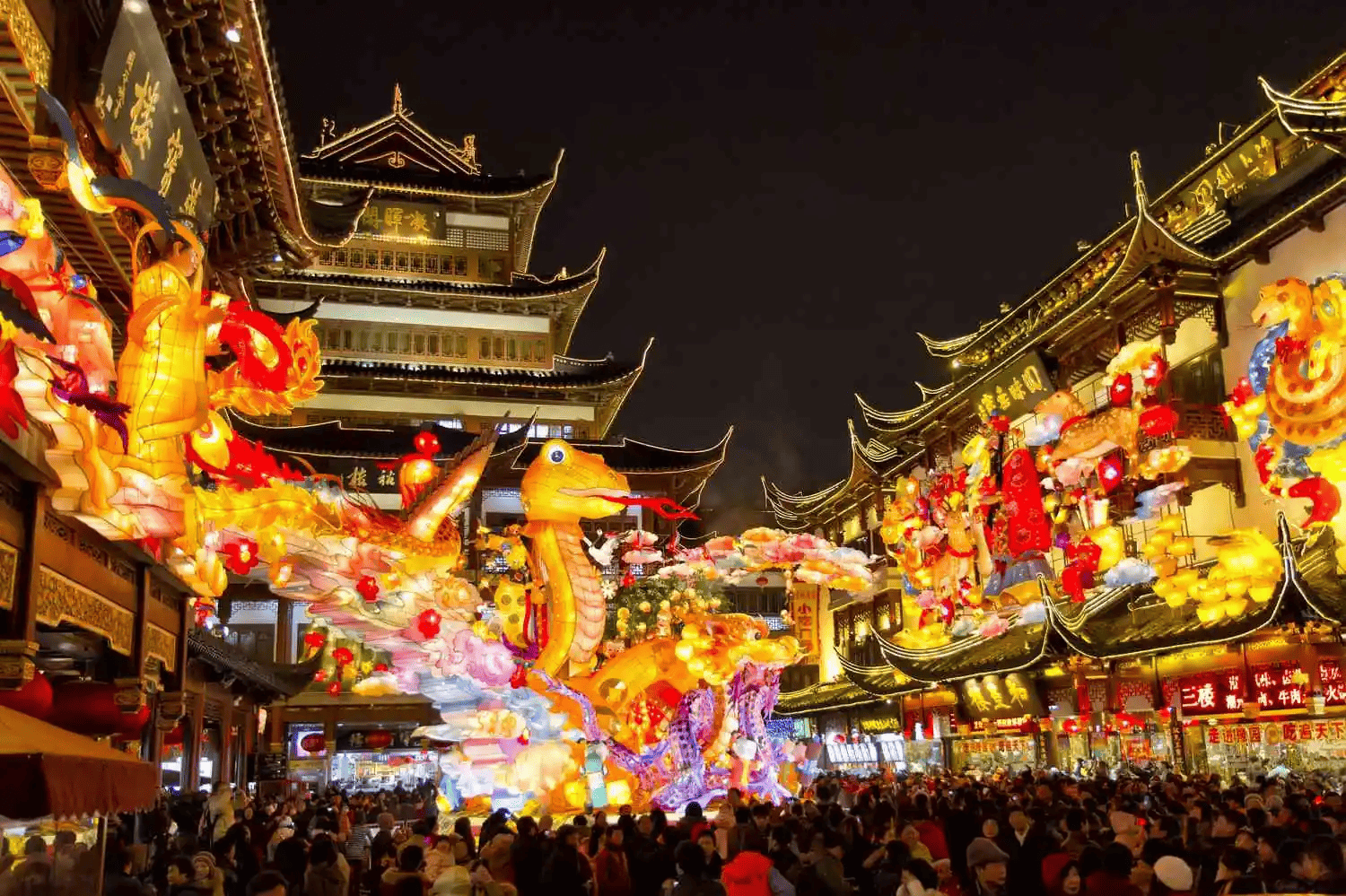
In the Light of Shōwa: Remembering the Past takes readers on a reflective journey through one of Japan’s most pivotal historical periods — the Shōwa era. Spanning times of turmoil, recovery, and rapid modernization, Shōwa left behind a complex legacy woven into Japan’s national identity. This blog post examines the cultural shifts, wartime scars, and postwar optimism that continue to influence modern Japan. Through personal memories, historical context, and societal reflection, we uncover how looking back at Shōwa allows us to better understand the present
If you're interested in traveling to Japan, please feel free to contact us.