Shūbun no Hi: Japan’s Autumnal Equinox Day of Balance, Nature, and Ancestral Remembrance
.jpg)
1.Autumnal Equinox Day: A Moment of Perfect Balance
Every year around September 22 or 23, Japan celebrates Autumnal Equinox Day, known in Japanese as 秋分の日 (Shūbun no Hi). It marks the precise moment when day and night are of equal length — a natural phenomenon that has deep spiritual and cultural meaning in Japan.
Unlike many modern holidays, Autumnal Equinox Day isn’t just a day off — it’s a pause for reflection, a day to acknowledge the delicate harmony between light and darkness, life and death, the present and the past. It symbolizes the turning of the seasons, as the vibrant energy of summer gives way to the calm of autumn.
Designated as a national holiday in 1948, this day is rooted in ancient traditions and nature-based beliefs. It’s more than just an astronomical event — it’s a moment that reminds people to slow down, appreciate nature, and reconnect with family and ancestors.
For the Japanese, 秋分の日 is not only a celebration of the changing season but also a reminder of life’s balance — a day when the outer world of nature and the inner world of spirit align perfectly.
2.From Imperial Rites to Buddhist Roots
The origins of Autumnal Equinox Day in Japan trace back centuries, blending Shinto rituals, imperial customs, and Buddhist philosophy. Long before it became a public holiday, the equinox was observed as a time of spiritual reverence and ancestral connection.
In the early days of Japan’s imperial history, the changing of the seasons was marked with official court ceremonies to honor nature’s cycles and give thanks for agricultural blessings. These rites reflected Japan’s deep-rooted Shinto beliefs, which view natural phenomena as sacred.
As Buddhism spread throughout Japan, it brought with it the practice of Higan (彼岸) — a seven-day period surrounding the spring and autumn equinoxes. During Higan, people visit the graves of their ancestors, offer flowers and incense, and reflect on Buddhist teachings. The name "Higan" means "the other shore", symbolizing the journey from ignorance to enlightenment — a metaphorical crossing over to peace and understanding.
By the 20th century, the government formalized Shūbun no Hi as a national holiday, separating it from its religious roots but preserving its spiritual and cultural importance. Today, it’s both a secular holiday and a continuation of Japan’s long tradition of honoring nature and family.
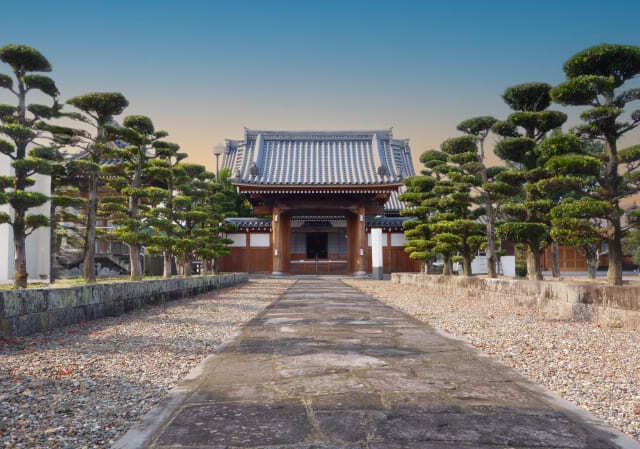
Travel Tip: If you're visiting Japan during the equinox, consider exploring a local cemetery or temple during Higan. Places like Yanaka Cemetery in Tokyo or Kiyomizudera in Kyoto offer a peaceful atmosphere and seasonal beauty, providing insight into how the Japanese blend nature, tradition, and spirituality — all in quiet harmony.
3.How the Japanese Celebrate Autumnal Equinox Day Today
On Autumnal Equinox Day, the pace of life in Japan slows down. While there are no large public parades or festivals, the day is rich in personal rituals and quiet traditions that reflect the values of family, nature, and respect for the past.
One of the most common customs is the visit to family graves. Known as ohakamairi (お墓参り), this practice involves cleaning the tombstones, placing seasonal flowers, lighting incense, and offering favorite foods or sweets of the deceased. It’s not just a gesture of remembrance — it’s an expression of gratitude and continued connection with ancestors.
Families also gather at home to share traditional seasonal dishes made with ingredients like chestnuts, sweet potatoes, and mushrooms — all symbolic of autumn's bounty. A popular treat during this period is botamochi (or ohagi), a sweet rice cake coated in red bean paste, which is often offered at altars before being enjoyed.
Some temples hold special Higan services, inviting locals to reflect on Buddhist teachings and the impermanence of life. For many, it’s a time to step back from the busyness of modern life and reconnect with deeper values.
Travel Tip: If you're in Japan on 秋分の日, join the locals by taking a walk through a Japanese garden or visiting a temple or shrine. Places like Rikugien Garden in Tokyo or Eikando Temple in Kyoto are especially beautiful in the early autumn light, offering a peaceful way to experience the spirit of the day.
4.Autumn in Japanese Culture: Beauty in Transition
Autumn holds a special place in the Japanese heart — not just for its crisp air and golden leaves, but for its deeper symbolism. In Japanese aesthetics, the season represents impermanence, beauty in change, and the quiet melancholy of things fading. These ideas are deeply woven into the meaning of Autumnal Equinox Day.
This concept is captured in the Japanese term "wabi-sabi" (侘寂) — the appreciation of the imperfect, the transient, and the natural. As the leaves begin to turn shades of red and gold, they remind people not only of seasonal beauty but also of the fleeting nature of life itself — a core principle in Buddhist philosophy.
Autumn is also one of the most celebrated themes in Japanese poetry, literature, and art. Haiku masters like Matsuo Bashō often used autumn imagery to express emotions of longing, reflection, and quiet joy. The changing landscape becomes more than scenery — it becomes a mirror of the soul.
For the Japanese, Autumnal Equinox Day is more than a calendar event. It’s a moment that reflects the rhythm of life and death, of beginnings and endings, and the calm acceptance of both. In a culture that prizes subtlety and symbolism, this day invites introspection through nature.
Travel Tip: To feel the full aesthetic power of autumn in Japan, plan a visit to a traditional teahouse or an art museum during your trip. Exhibits often shift to seasonal themes, and you’ll find galleries showcasing autumn landscapes, calligraphy, or seasonal flower arrangements (ikebana) that bring the spirit of the equinox to life.
5.A Quiet Celebration of Light, Life, and Letting Go
Autumnal Equinox Day in Japan is not about fireworks or fanfare. It’s about stillness — a quiet celebration of balance, reflection, and connection. In a world that often moves too fast, Shūbun no Hi invites us to pause, look inward, and realign with nature’s rhythms.
Whether you're wandering through a temple garden lit by golden leaves or lighting incense in memory of loved ones, the day encourages a kind of mindful presence rarely found in modern holidays. It reminds us that there is beauty in every transition — in the falling leaf, the fading light, and the memories that continue to shape who we are.
So if you find yourself in Japan during the autumn equinox, let yourself slow down. Step into the season. Watch the sky shift. Feel the peace in the balance between what has been and what is to come.
6.Summary
Shūbun no Hi is more than a seasonal marker — it’s a day of balance, remembrance, and quiet reflection. Rooted in Shinto, Buddhism, and imperial tradition, the holiday continues to shape Japan’s cultural rhythm. Whether through ohakamairi, temple visits, or simply pausing to admire autumn’s fleeting beauty, Autumnal Equinox Day reminds us to slow down and find harmony in both nature and spirit.
If you'd like to travel to Japan, please feel free to contact us!