What Happens During Tōji (冬至)?
A Celestial Shift Signifying Light, Renewal, and the Return of Balance
Tōji, known as the Winter Solstice in Japan, is more than just an astronomical event—it’s a symbolic and spiritual milestone in the Japanese seasonal calendar. Observed around December 21 or 22, Tōji marks the point at which the sun appears at its lowest elevation in the sky, resulting in the shortest day and the longest night of the year.
But while it represents the deepest moment of winter, Tōji also brings with it a quiet and hopeful message:
The light is returning.
-A Solar Milestone
- On the day of Tōji, the sun’s arc is at its lowest in the sky, and sunlight duration reaches its annual minimum.
- In Japan, this means short daylight hours—sometimes less than 10 hours depending on the region—and long, cold nights.
- Though the air remains chilly for weeks to come, this moment signals a turning point: from here, each day gradually grows longer, a reminder that spring is on the horizon.
-A Philosophical and Spiritual Turning Point
In traditional East Asian philosophy, rooted in yin-yang cosmology, Tōji carries deep spiritual meaning:
- It represents the peak of yin—the passive, dark, cold, and inward energy.
- But at this peak, yang energy—the active, warm, and life-generating force—begins to stir and return.
- In this sense, Tōji is not just the darkest time of year, but a symbol of rebirth, hope, and natural balance.
Just as nature begins to shift imperceptibly toward renewal, people are encouraged to use this time to reset their minds, strengthen their bodies, and prepare for the new cycle ahead.
Japanese Traditions for Winter Solstice (Tōji / 冬至)
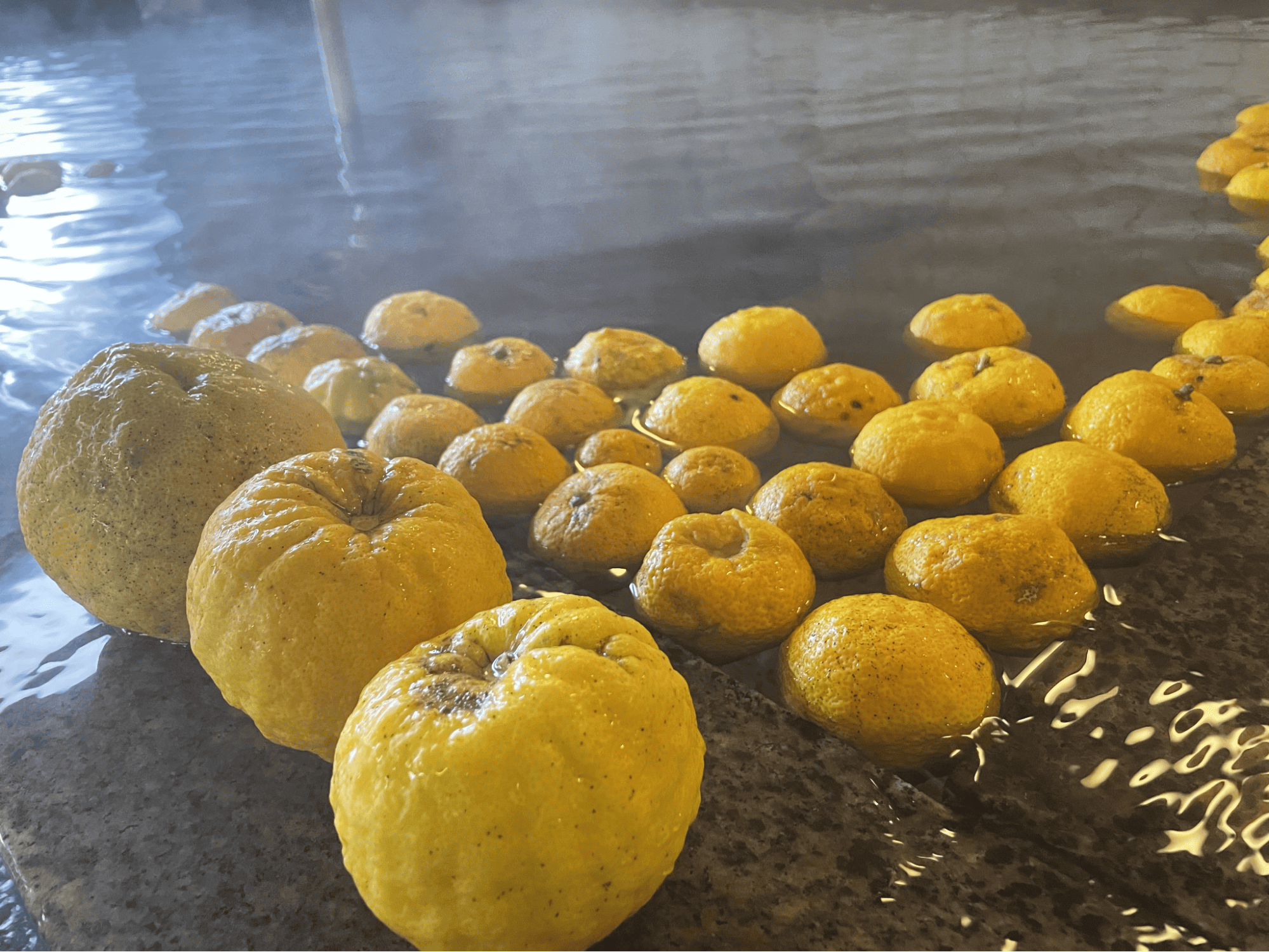
A Seasonal Shift Celebrated Through Wellness, Ritual, and Cultural Wisdom
In Japan, the Winter Solstice—known as Tōji (冬至)—typically falls around December 21 or 22, marking the shortest day and longest night of the year. It’s a meaningful seasonal turning point, deeply rooted in ancient agricultural rhythms and traditional East Asian cosmology. While the solstice is celebrated in many cultures around the world, Japan observes it with distinct customs that center around physical health, spiritual purification, and preparing for renewal as the New Year approaches.
Below are three key Japanese traditions practiced during Tōji, each offering a glimpse into the country's rich seasonal culture.
1. Yuzu Bath (柚子湯 / Yuzu-yu)
A Fragrant, Therapeutic Tradition for Protection and Purification
One of the most iconic and beloved customs of the Winter Solstice in Japan is soaking in a yuzu bath—a hot bath filled with whole or halved yuzu citrus fruits, known for their refreshing aroma and medicinal properties.
- Origins and Beliefs
The practice dates back to the Edo period (1603–1868) and is based on traditional folk beliefs and herbal medicine. In Japanese customs, citrus fruits are associated with good luck and protection against illness. The word “yuzu (柚子)” is also a play on the word “融通 (yūzū),” which means flexibility or overcoming obstacles—making it a symbolic act of easing the transition through winter’s harshness.
-Health and Wellness Benefits
- The aromatic oils from the yuzu peel are released into the hot water, believed to:
- Stimulate blood circulation
- Warm the body from the core, helping prevent colds and stiffness
- Soothe skin irritations
- Relieve stress and promote relaxation
- Stimulate blood circulation
- Yuzu's high vitamin C content adds another layer of immune-boosting benefit, making the ritual both enjoyable and practical.
-Where You Can Experience It
- At home: Many families float 3–7 whole yuzu fruits in their bath.
- Public bathhouses and onsen (hot springs): Special seasonal yuzu baths are offered around the Winter Solstice, providing a memorable and aromatic winter experience for visitors.
2. Eat Kabocha (かぼちゃ / Japanese Winter Squash)
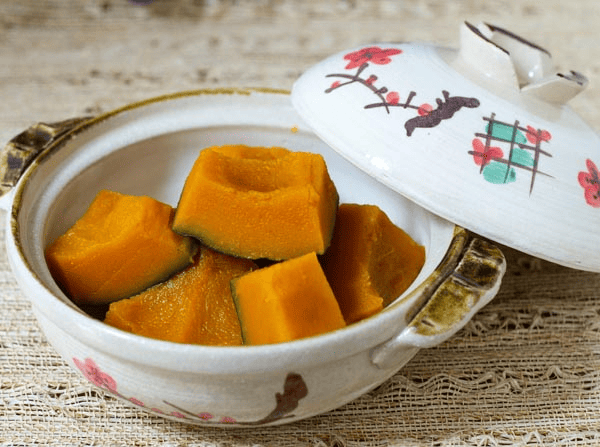
A Nourishing Meal for Strength, Health, and Symbolic "Luck"
Another longstanding winter solstice tradition in Japan is eating kabocha, a type of sweet, dense Japanese pumpkin or winter squash. This humble yet nutrient-rich food has been a staple of winter wellness in Japanese households for centuries.
-Nutritional and Symbolic Importance
- Kabocha is rich in beta-carotene (vitamin A), vitamin C, iron, and fiber, making it ideal for:
- Boosting immunity
- Supporting digestive health
- Maintaining energy during the cold season
- Boosting immunity
- Symbolically, kabocha is one of several foods ending in “ん” (the "n" sound in Japanese)—others include daikon, ninjin (carrot), and renkon (lotus root). Eating such foods during Tōji is thought to bring good luck and positive energy, as “ん” is considered an auspicious ending sound.
- Common Dishes
- Kabocha no nimono (かぼちゃの煮物): Pumpkin simmered in soy sauce, sugar, and mirin for a lightly sweet flavor.
- Kabocha miso soup: Slices of pumpkin added to miso broth, warming and hearty.
- Tempura kabocha: Crispy pumpkin fritters served with dipping sauce.
- Modern adaptations include pumpkin croquettes and kabocha gratin.
Whether eaten at home, in traditional inns, or in regional winter festivals, this dish connects past and present through its deep cultural significance.
3. Visit Shrines or Temples & Start Ōsōji (大掃除)
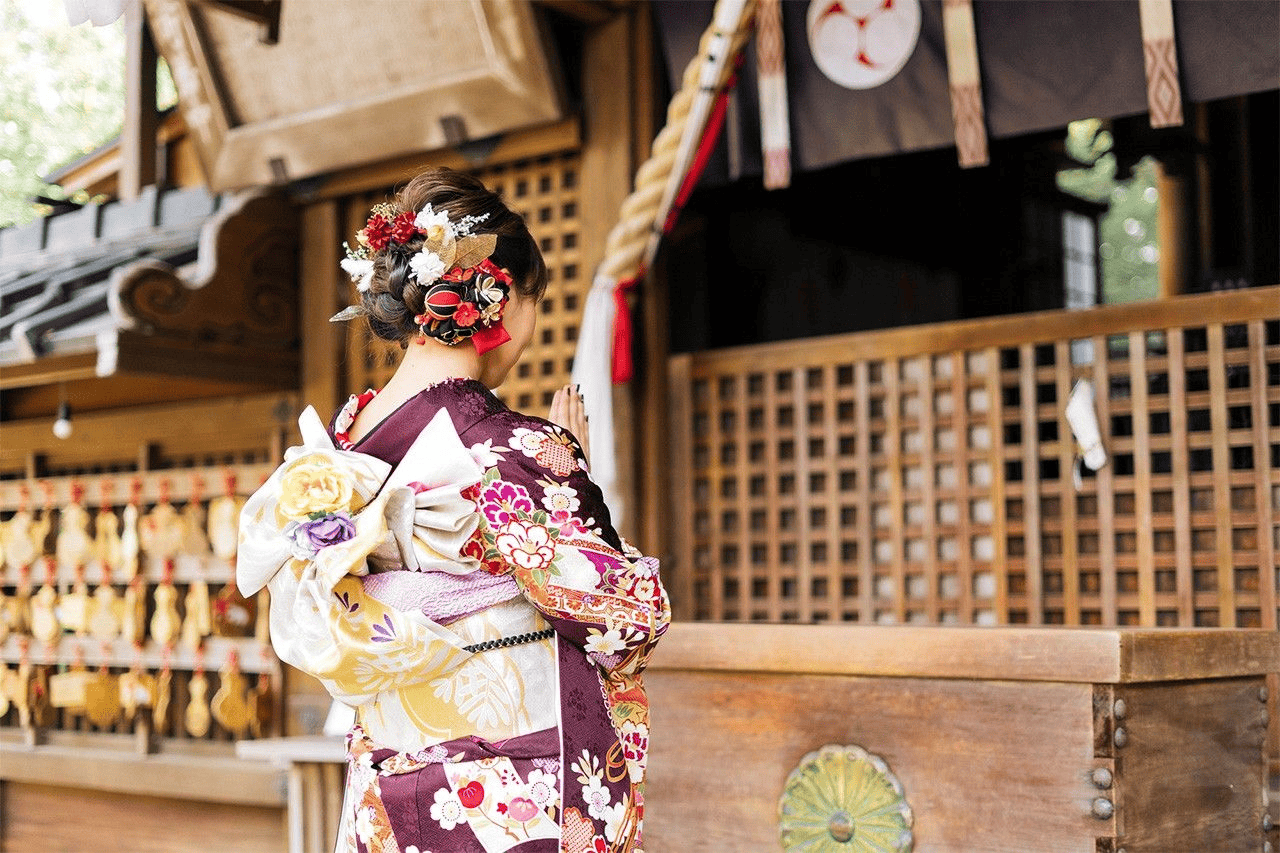
Cleansing the Spirit and Preparing the Home for the 元旦 New Year's Day
Tōji is more than just a celebration of seasonal change—it’s a time for spiritual reflection and practical preparation. As the old year comes to a close, many people begin engaging in customs that clear away the past and make way for a clean, fresh start.
-Shrine and Temple Visits
- Many families or individuals visit Shinto shrines or Buddhist temples around Tōji to:
- Pray for good health, prosperity, and protection
- Reflect on the past year and set intentions for the new one
- Pray for good health, prosperity, and protection
- In rural areas and smaller communities, local temples may hold small seasonal ceremonies, offering a chance to connect with local culture and tradition in a serene setting.
-Ōsōji – The Great Year-End Cleaning
- Tōji often marks the informal start of Ōsōji (大掃除), or “the great cleaning”, which is typically done in the final weeks of December.
- Homes, offices, and schools undergo thorough cleaning to purify spaces, remove dust and negativity, and welcome the New Year with clarity.
- This is a cultural practice rooted in Shinto beliefs around cleanliness as a sacred act, not just hygiene.
For travelers, witnessing or participating in these end-of-year traditions offers a profound insight into Japanese values around purity, order, and seasonal mindfulness.
Seasonal Travel Ideas Around Tōji

- Onsen retreats (hot springs) for a relaxing yuzu bath experience.
- Kyoto and Nara temples for serene winter visits.
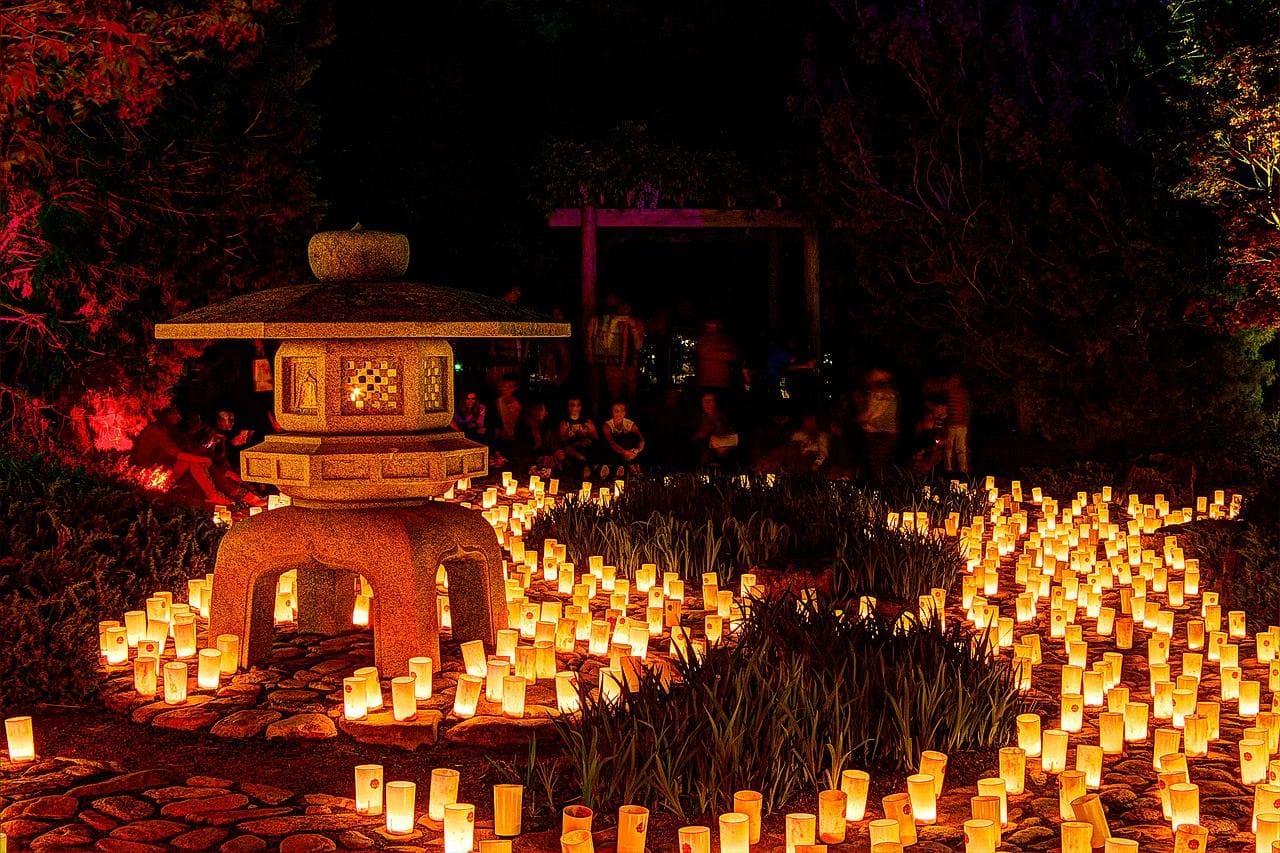
- Illumination festivals across Japan align with Tōji’s spirit of light overcoming darkness.
Useful tips and advices for travelers
Here is a table of useful tips and advice for travelers visiting Japan during 冬至 (Tōji) – the Winter Solstice period (around December 21):
|
Category
|
Tips & Advice
|
|
Timing
|
Visit around December 20–22 to experience actual Tōji customs and traditions.
|
|
Cultural Experience
|
Try a yuzu bath (柚子湯) in a ryokan or onsen. Many facilities offer special baths.
|
|
Seasonal Food
|
Eat kabocha (Japanese pumpkin) dishes served in traditional inns or winter menus.
|
|
Spiritual Spots
|
Visit temples or shrines for quiet reflection, prayer, or light ceremonies.
|
|
Winter Illuminations
|
Attend illumination events in Tokyo, Kyoto, or Kobe – celebrating light in darkness.
|
|
Weather Preparedness
|
Pack warm layers: coat, scarf, gloves – temps range from 0–10°C depending on region.
|
|
Transport Tips
|
Use Japan Rail Pass or IC cards (Suica, Pasmo) for easy city/suburb travel.
|
|
Packing Suggestions
|
Bring thermal wear, moisturizer (dry air), and heat packs (kairo).
|
|
Cultural Etiquette
|
Respect bathing etiquette in public baths; tattoos may need to be covered.
|
|
Year-End Cleaning
|
Participate or observe Ōsōji (大掃除)—a deep-cleaning tradition before New Year.
|
Summary
Tōji (冬至), or the Winter Solstice, occurs around December 21 in Japan and marks the shortest day and longest night of the year. Deeply rooted in traditional beliefs around health and seasonal balance, Tōji is observed with rituals like soaking in yuzu citrus baths, eating kabocha pumpkin, and taking quiet moments for reflection and renewal.
This gentle seasonal turning point invites people to reset their energy, restore their well-being, and embrace the gradual return of longer days. If you'd like to travel to Japan, please feel free to contact us!