What is Seimei (清明)?
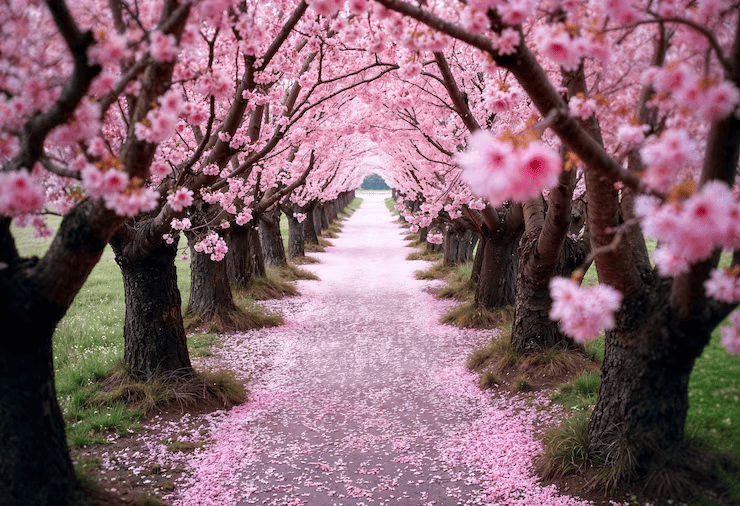
Seimei, also known as Qingming in Chinese and sometimes referred to as the "Clear and Bright Festival," is a traditional East Asian festival observed in countries like China, Japan, and Korea. In Japan, Seimei marks one of the 24 solar terms (節気 sekki) in the traditional East Asian lunisolar calendar. It usually falls around April 4th to 6th, signaling the full arrival of spring.
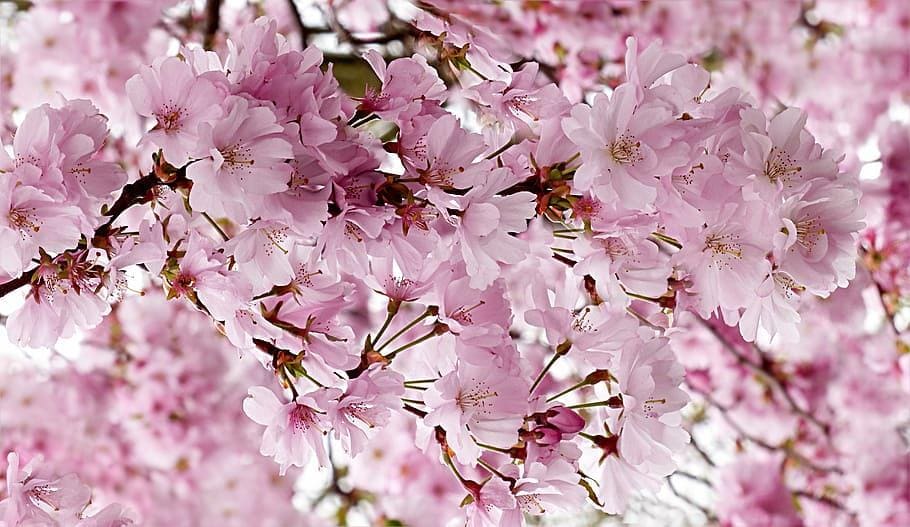
The term "清明" literally translates to "clear and bright." This reflects the clarity of the spring sky and the purity of nature as everything begins to bloom. The air becomes fresh, the sun shines
brighter, and flowers like cherry blossoms begin to reach full bloom.
Japanese seasonal calendar
The and the 24 Solar Terms
Japan adopted the solar-based Gregorian calendar in 1873, as the Meiji government implemented modernizing measures to align Japan with the West. Prior to that, Japan used a lunisolar calendar, based on the rhythms of the sun and moon. But as the old calendar shifted 11 days each year, it gradually conflicted with eclipses and other astronomical events, disrupting agriculture and daily life.https://www.group-shinka.com/culture/vernal-equinox-day-japan
Today, Japan celebrates events such as Christmas and Valentine’s Day on fixed calendar dates, but in the past, when most people relied on agriculture for their livelihood, they needed a guideline for when to plow the fields, plants seeds, and so on. The 24 solar terms were therefore used to help people align their lives to the seasons.https://www.group-shinka.com/culture/shubun-no-hi
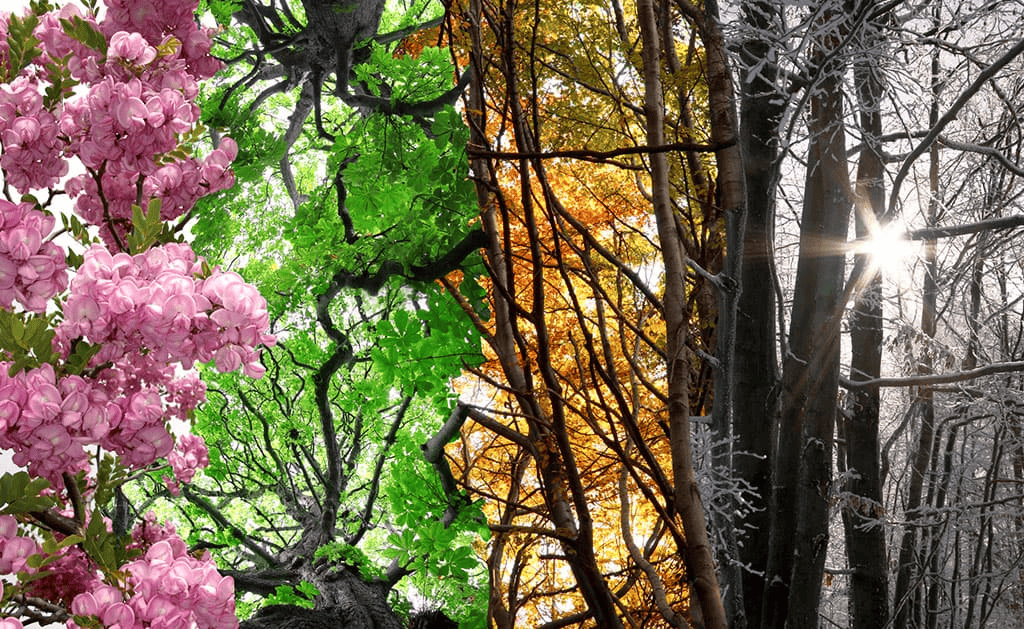
The traditional Japanese calendar marks the passing of the seasons and changes in the natural world through the names given to different times of year. There are 24 major divisions, or sekki, from Risshun (Beginning of spring) in early February until Daikan (Greater cold). Originally taken from Chinese sources, these are still well-known around East Asia.https://www.group-shinka.com/culture/risshun-japan
The 24 divisions are each split again into three for a total of 72 kō that last around five days each. The names were also originally taken from China, but they did not always match up well with the local climate. In Japan, they were eventually rewritten in 1685 by the court astronomer Shibukawa Shunkai. In their present form, they offer a poetic journey through the Japanese year in which the land awakens and blooms with life and activity before returning to slumber.
The dates in the following table are approximate and may vary by one day depending on the year. There are no standard readings in Japanese for the kanji names of the 72 kō, so other sources may give different readings.
Seimei in Japanese Culture
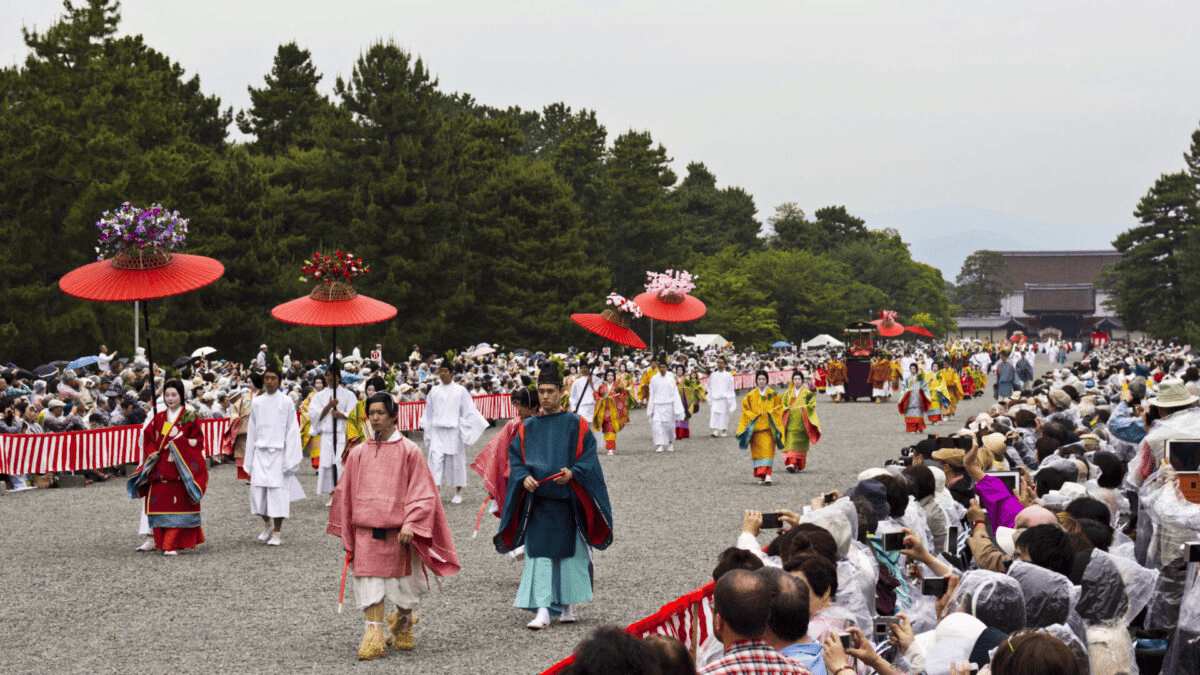
While Seimei is not a major festival in Japan compared to its significance in China, it is still recognized in traditional calendars and is used by farmers and seasonal planners. It symbolizes a time of balance and renewal, encouraging activities such as:
Spring cleaning and purification
Outdoor walks and picnics
Observing and respecting nature’s rebirth
In traditional Japanese aesthetics, Seimei aligns with wabi-sabi, celebrating the simple, transient beauty of the season.
Actively enjoying 8 Japanese Spring Festivals
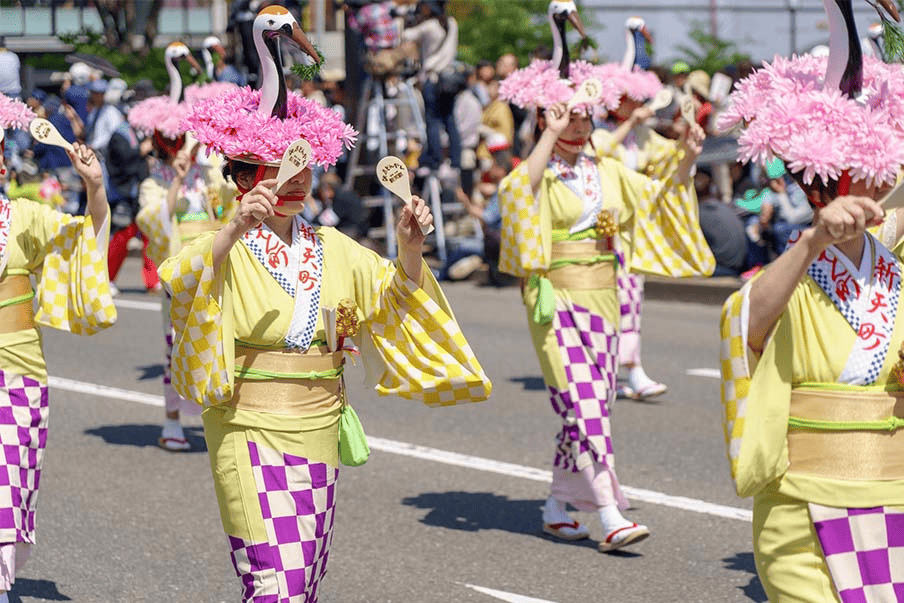
In Japan, where the four seasons are clearly changing, spring starts around March. The new school year begins in April, and Japanese people begin their lives with a new mindset.
Spring is full of active festivals. After a cold winter, the cherry blossoms are in full bloom. There are many festivals to experience, including traditional Japanese folk dances, traditional Japanese kites, traditional boats, Hikiyama (festival float), and Yukata (casual kimono).
Warm spring is the perfect time to exercise and travel. Don't just watch, join the locals. It will surely be a memorable holiday.
Beppu Hatto Onsen Festival
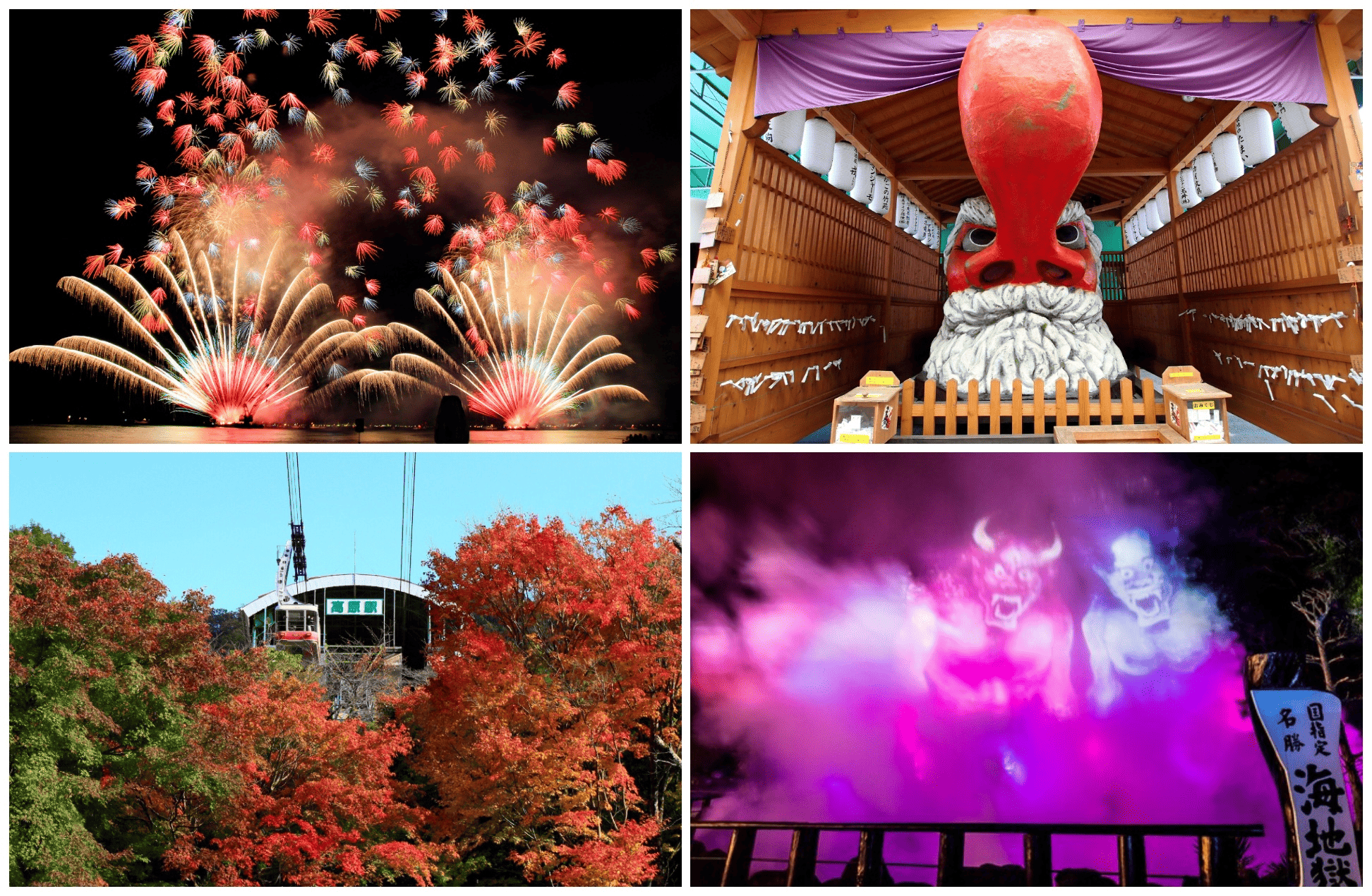
Hot springs are one of the most popular destinations in Japan. Beppu Onsen has the largest amount of hot spring water in the world, and a festival is held to appreciate its rich blessings.
During the Beppu Hatto Onsen Festival, about 100 public hot springs in the city are open free of charge. In addition to traditional dance stages, drumming and parades, you can see the light up of the steam from hot springs and the flames of the Ogiyama Fire Festival burning the surface of the mountain at night.
The highlight is the “Hot Water Shower Festival” held on the final day. Mikoshi (portable Shinto shrine) from Onsen Shrine and Mikoshi from surrounding areas gather there and about 60 tons of hot water are thrown toward the mikoshi. Buckets and ladles are set up on the roadside for visitors. Not only hot spring lovers but also those who like festivals where everyone can get excited can come and enjoy getting soaked all over!
Hirosaki Cherry Blossom Festival
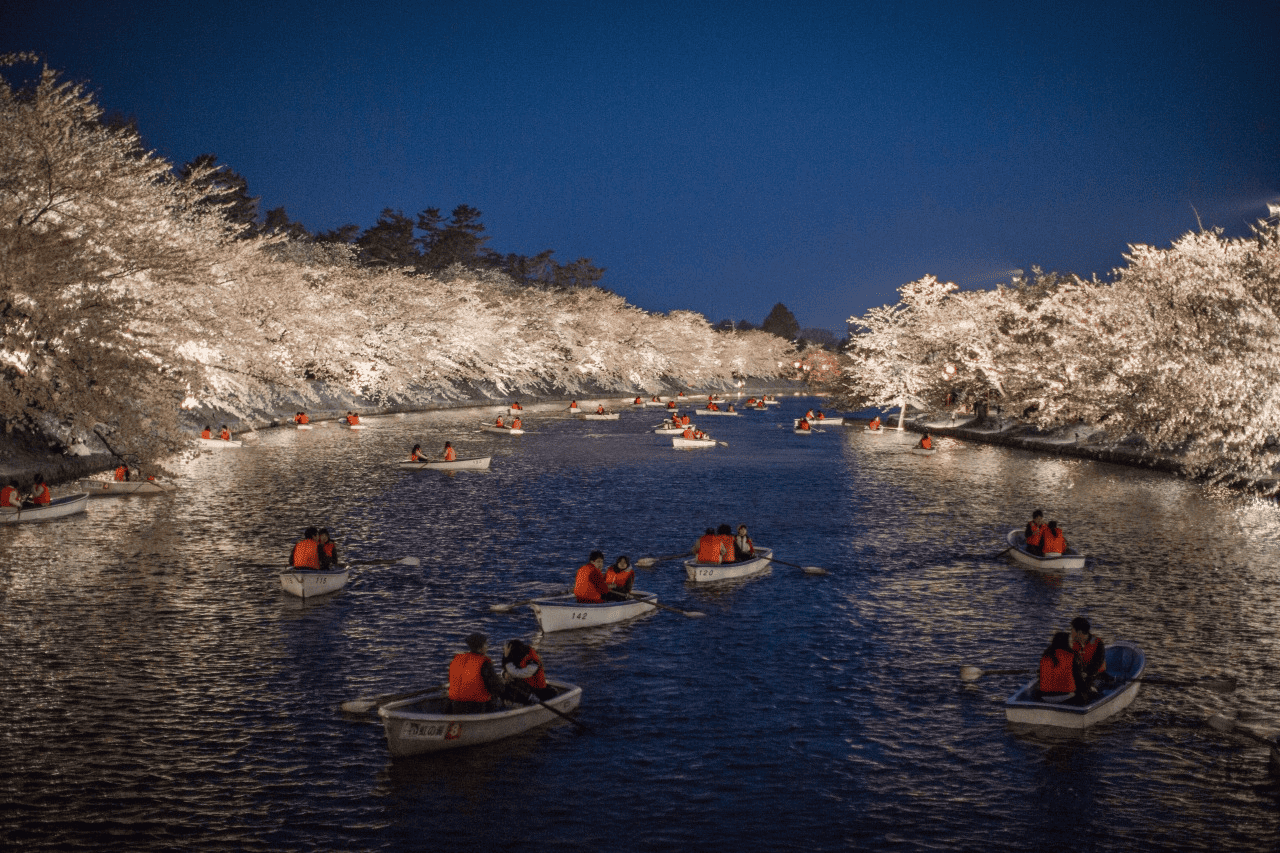
Sakura (cherry blossom) is a special flower in Japan and people enjoy Hanami (cherry blossom viewing) when Sakura begins to bloom. The Hirosaki Sakura Festival, held in Hirosaki Castle Park, is one of the largest cherry blossom festivals in Japan, attracting around 2 million visitors. The highlight is a 300-meter-long Sakura Tunnel, which is illuminated at night and is breathtakingly beautiful.
Not only are the cherry blossoms an unforgettable experience, but there are also stalls, matcha green tea cafe, “Wafune” traditional boat rides with a boatman, and special seat where you can enjoy sake and dishes while listening to local music played on Tsugaru Shamisen. This festival is recommended for those who want to see the spectacular scenery and those who want to experience traditional Hanami.
Seihakusai Dekayama Festival
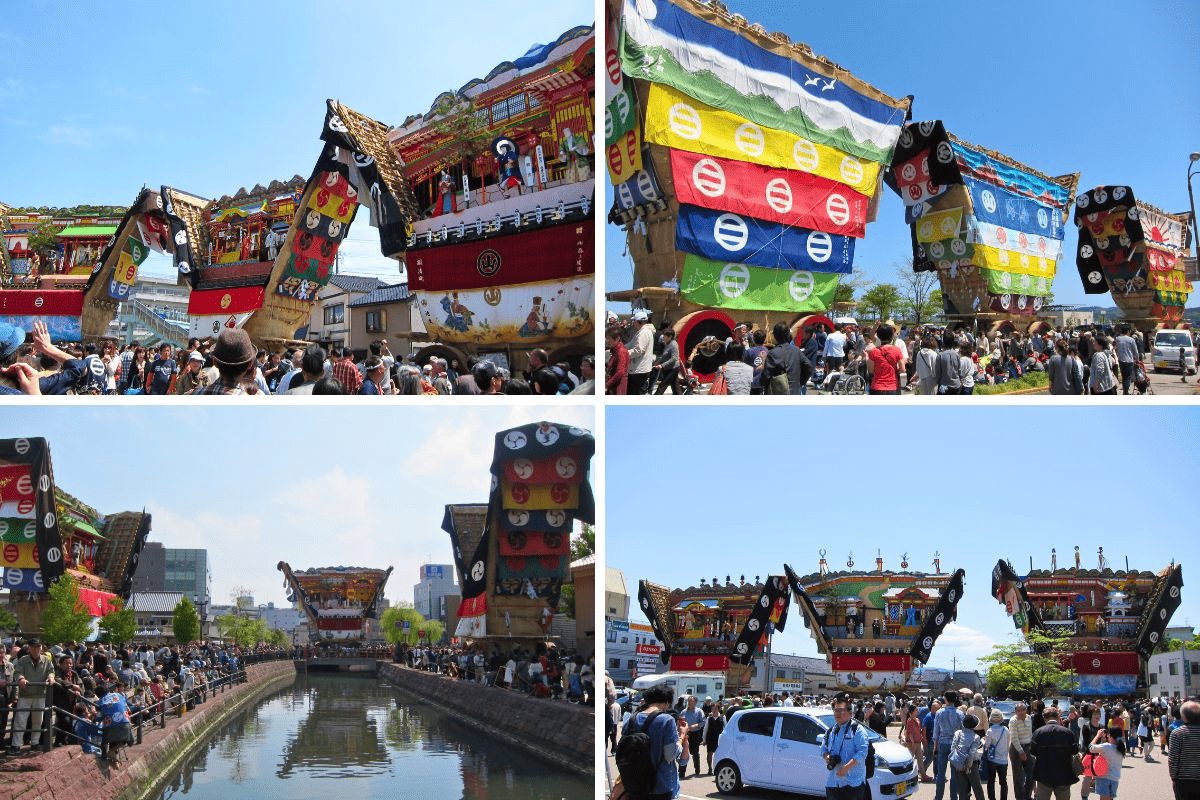
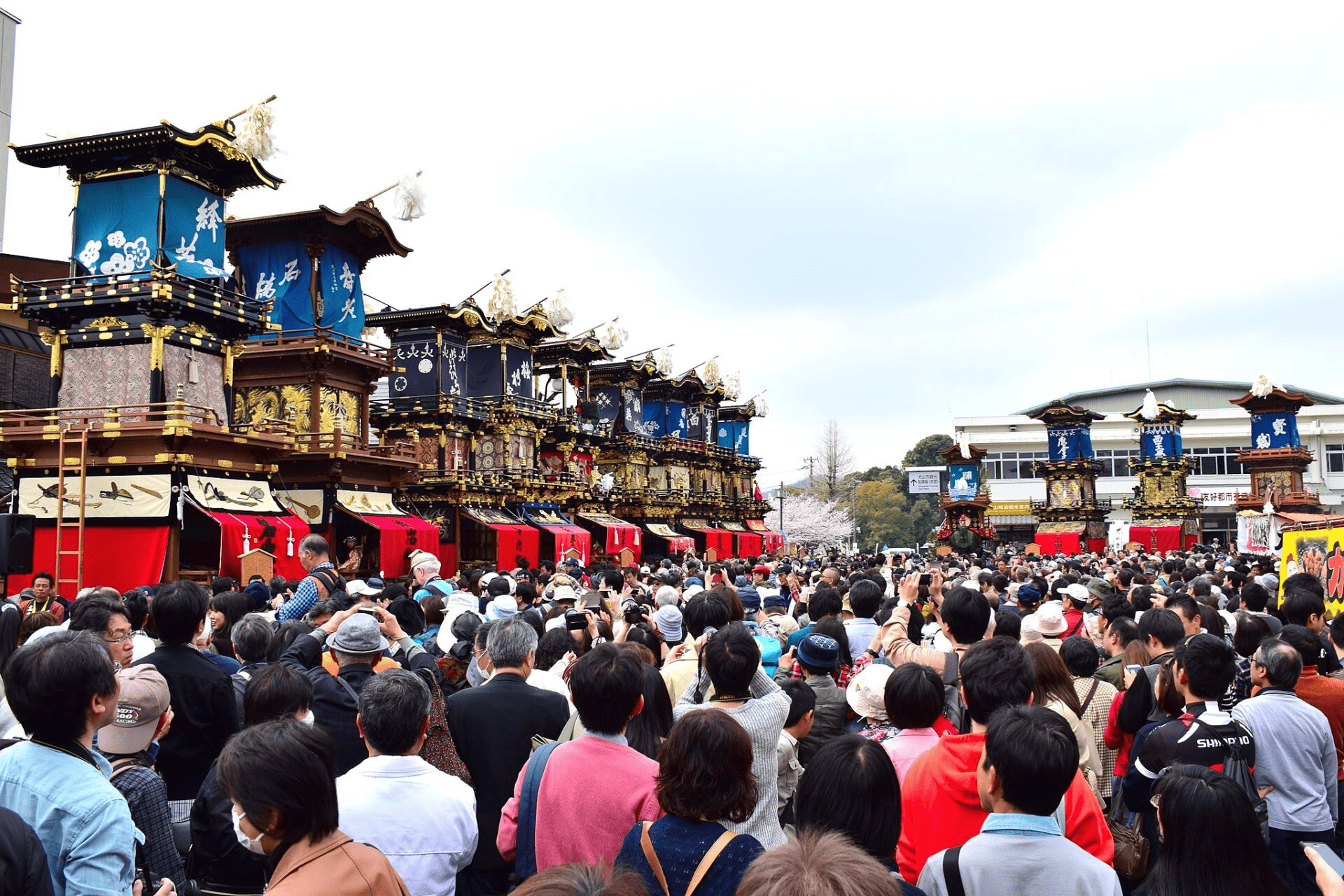
In 2016, 33 Japanese Hikiyama Festivals were inscribed on UNESCO's Intangible Heritage List. “Hikiyama” is a portable shrine that can be seen or carried around during a festival. It is considered a sign of God's place and is decorated with luxury. It has very large wheels and many people join together to pull it. At the Seihaku Festival in Nanao City, Ishikawa Prefecture, visitors can also pull “hikiyama” (festival floats) called "Dekayama," which are 12 meters high and weigh 20 tons.
The highlight of the festival is when the large “Dekayama” are pulled through the narrow streets. When the “Dekayama” dynamically turns a corner, the spectators erupt in cheers and applause. It is a great opportunity to get involved and see cultural heritage up close. If you're looking for an exciting experience and want to take part in traditional events, this is the festival for you.
Naha Hari (Dragon Boat Tradition)
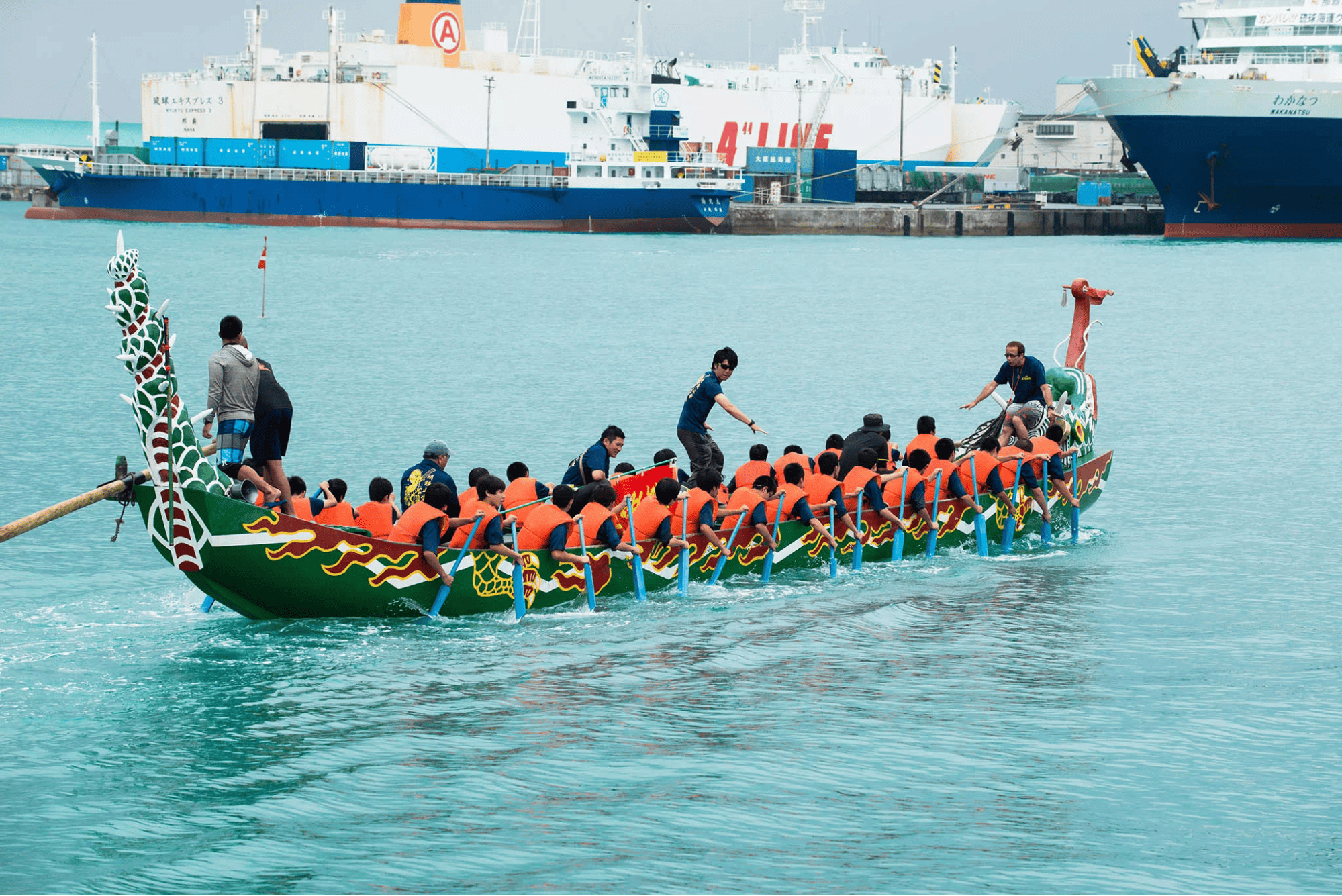
Naha Hari is the largest dragon boat race in Okinawa, with more than 130 teams from schools and companies competing over three days. Many participants, such as rowers, bells, helmsmen and flag bearers compete for speed aboard a traditional dragon-decorated boat. Eisa (Okinawa folk dancing), live concerts and fireworks are also held at the same time, so you can enjoy yourself at any time of the day.
The main attractions are “Unen Bari” and “Hon Bari,” which take place on the final day. “Unen Bari” is a prayer to the god of the sea for safe voyages, good catches and regional development. A karate performance is performed on a boat that slowly moves along to the solemn Hari song. “Hon Bari” is a serious competition between teams from three areas of Naha city to determine the champion of the year. Visitors can also try dragon boating. Those who like to watch sports, as well as those who want to experience Okinawa culture, love the festivals
Hakata Dontaku Festival
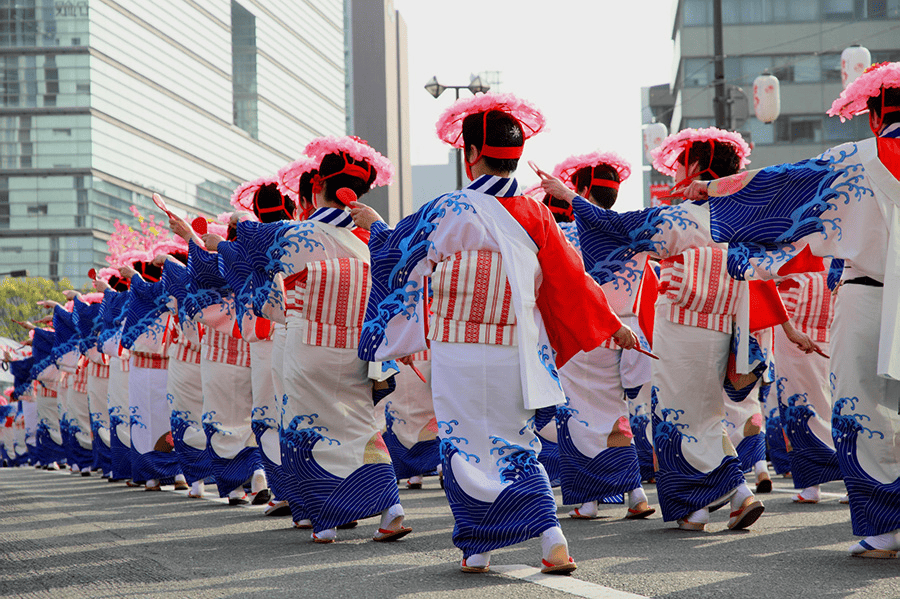
Founded 400 years ago, the Hakata Dontaku Minato Festival is one of the largest festivals in Japan, attracting 2 million people. Hakata Ward, Fukuoka City, Fukuoka Prefecture, has been a prosperous port since ancient times and has been influenced by many different cultures. This is why the origin of the word “Dontaku” is the Dutch word “zondag (holiday)”.
The highlight is the excitement of the colorful parade of “Hakata Matsubayashi.” Matsubayashi is a folk event that originally celebrated the New Year and is characterized by dancing with shamoji (wooden spoons used to scoop rice). In addition to the “Hakata Matsubayashi,” you can watch a variety of other performances during the festival, as well as take part in the “Sou-odori” dance on the night of the second day. This festival is recommended for those who like a glamorous parade.
Ushibuka Haiya Festival
“Ushibuka Haiya” is said to be the root of many folk songs throughout Japan. The origin of this festival is that the people of Ushibuka, who made their living from shipping and fishing, offered great hospitality to the many sailors who came to their port. Accompanied by cheerful music, they performed a lively and joyful dance that expressed the movements of the fishermen.
Yukata Festival (Yukata de Kinsai)
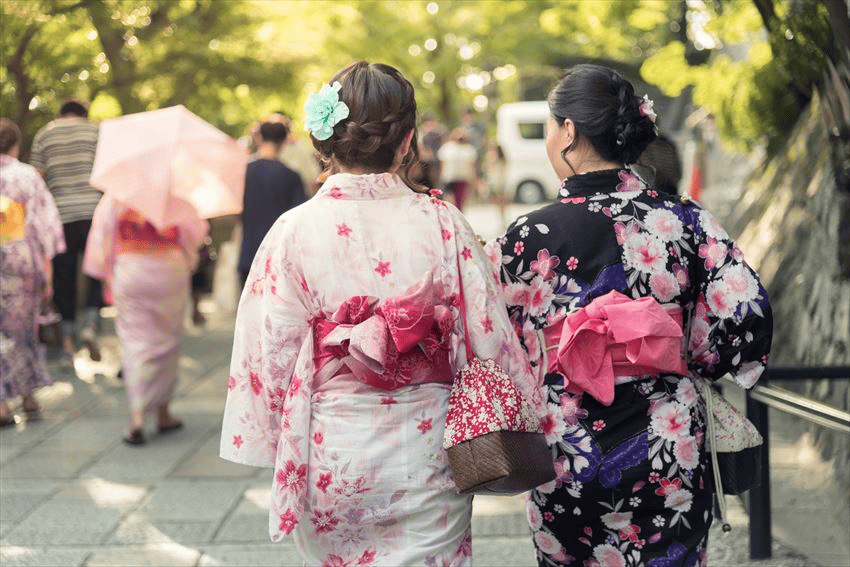
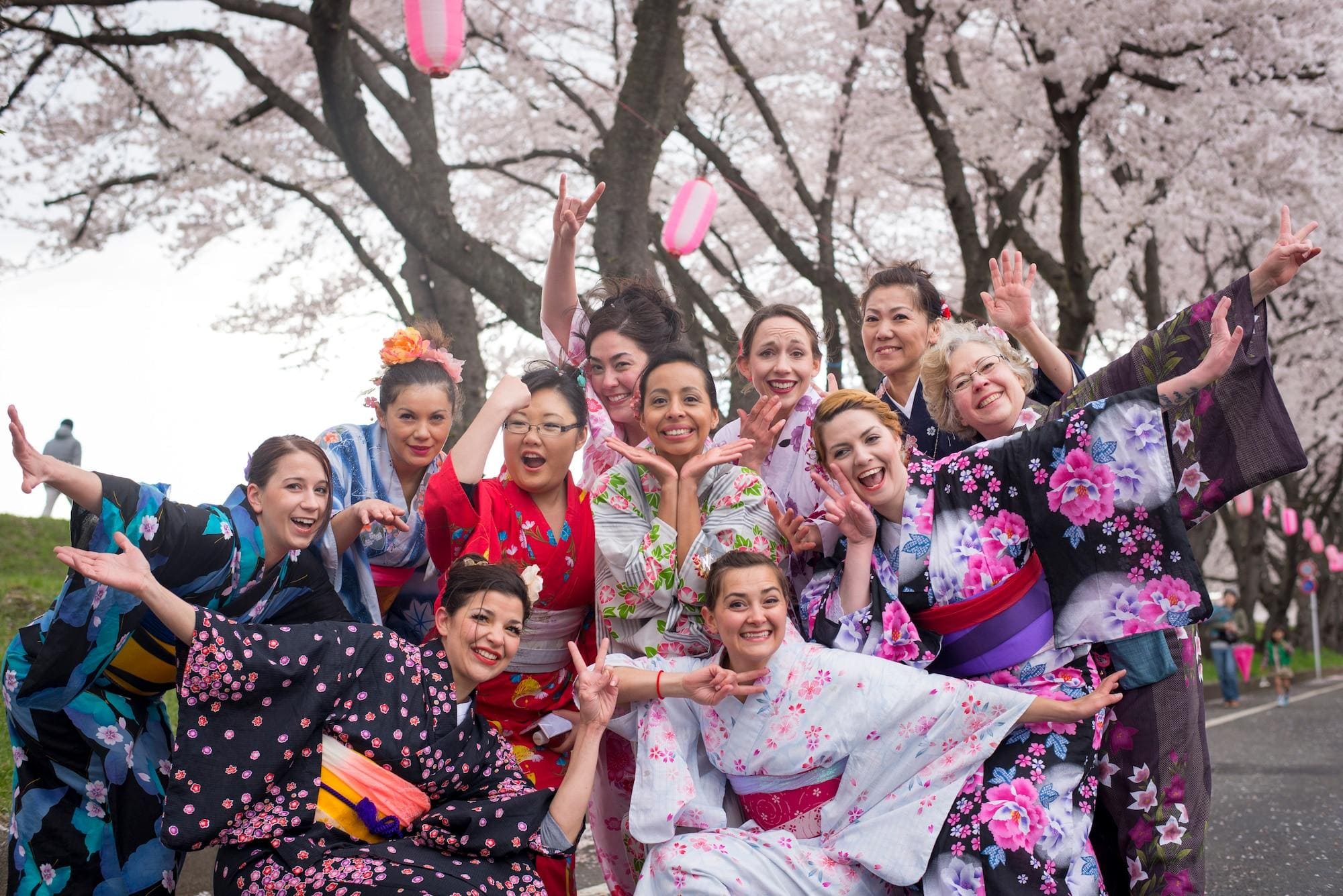
Yukata is a casual cotton kimono worn during the summer festival. The “Yukata de Kinsai” festival is a feature of early summer in Hiroshima, where people wear yukata and enjoy various events. It is held on the same days as the Touka-san Festival, a festival for the Inari Daimyojin at Enryuji Temple in Hiroshima City. “Yukata de Kinsai” was started to encourage people to enjoy yukata at festivals.
Highlights include parades, yukata fashion shows and “bon odori” dancing. You can buy or rent a yukata and enjoy walking around the city, joining in the “bon odori” dance and taking commemorative photos wearing a yukata, thanks to a service to help you wear it. It is an event recommended for fashion lovers, those who want to try yukata and those who like to take unique photos.
What to expect at a spring festival:
pleasant temps, unmatched adventure, and scenic beauty
Why you should attend a spring festival: captivating culture, fresh experiences, and colorful traditions
- Discover the best spring festivals in Japan
- Make a wish at the Jindaiji Daruma Doll Fair
- Soak in a natural hot spring at the Beppu Hatto Onsen Festival
- Encounter a world of color at the Hirosaki Cherry Blossom Festival
- Sing Japanese folk songs at the Ushibuka Haiya Festival
- See giant parade floats take over the streets at the Seihaku Dekayama Festival
- Cheer for the dragon boat teams at Naha Hari (Dragon Boat Tradition)
- Experience Japanese culture and tradition at the Hakata Dontaku Festival
Summary
Seimei (清明) is a time in the Japanese calendar that signifies both clarity and renewal, falling in the early spring. It marks a period where nature begins to awaken, and the balance between life and death is reflected upon. Traditionally, Seimei is a time to honor ancestors and engage in rituals of remembrance. This seasonal marker encourages individuals to connect deeply with the natural world and appreciate its revitalizing power, while also reflecting on the passing of time.
During Seimei, many people visit the graves of their ancestors, offer prayers, and celebrate the new life that spring brings. It is a time of spiritual cleansing and renewal, where clarity of purpose and connection to one’s heritage are emphasized.
If you're interested in traveling to Japan, please feel free to contact us.