Taisho (大暑) in Japan: How to Survive the Scorching Summer Season
1. What is Taisho?
Taisho (大暑), meaning “Great Heat,” is one of the 24 seasonal markers in Japan’s traditional calendar system known as Nijūshi sekki (二十四節気). Falling around July 22 to August 6, Taisho represents the peak of summer heat in Japan.
But Taisho isn’t just about temperature—it’s about oppressive humidity, relentless sun, and the challenge of maintaining your routine in an environment that feels almost hostile to human comfort.
2. How Japanese People Adapt to the Heat
Japan’s culture has adapted impressively to the challenges of summer. Here are some of the everyday tools and customs that help people survive:
- Portable electric fans (携帯扇風機) clipped to bags or held in hand
- Cooling sprays and wipes sold in every convenience store
- Ion-replenishing drinks like Pocari Sweat and Aquarius
- Seasonal summer foods like sōmen, zaru udon, and kakigōri (shaved ice)
- “Natsubate” awareness—acknowledging and addressing summer fatigue
These small tools of comfort don’t just make the heat bearable—they show how Japanese daily life blends tradition, technology, and care.
3. Summer Events and Festivals in Japan
Taisho also coincides with some of Japan’s most iconic summer traditions. Despite the heat, people gather to celebrate the season together:
- Fireworks Festivals (花火大会): Spectacular displays light up the night sky in cities like Tokyo, Osaka, and Niigata. Yukata-clad crowds enjoy food stalls and riverside views.
- Obon Preparations: Though Obon is in mid-August, preparations and local dances (Bon Odori) often begin during Taisho.
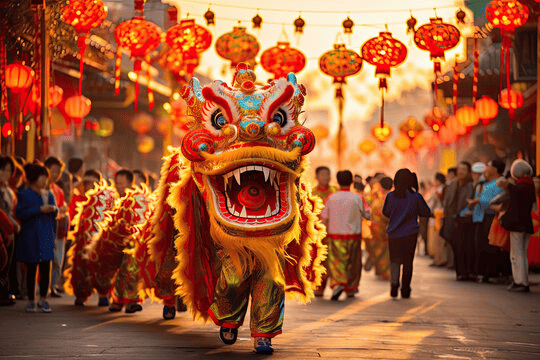
- Summer Matsuri: Local shrines host vibrant festivals featuring traditional music, portable shrines (mikoshi), and festive street food.
- Tanabata (Star Festival): Celebrated in early July in some regions, people write wishes on colorful strips of paper and hang them on bamboo branches.
These events transform the season from one of endurance into one of joy, reminding visitors that community and celebration can flourish even in great heat.
4. Travel Tips for Visiting Japan During Summer
If you're planning a trip to Japan during Taisho, preparation is everything. Here are my top tips:
- Bring a foldable umbrella or wide-brimmed hat
- Stay hydrated with electrolyte drinks (not just water)
- Carry a portable fan or cooling spray
- Avoid outdoor activities during peak afternoon hours (12–3 PM)
- Eat lighter, cooler meals—trust Japan’s seasonal cuisine
- Schedule plenty of rest stops in air-conditioned cafés or stations
Taisho is not the time to “power through” your itinerary. It's the time to embrace slowness, shade, and shaved ice.
5.Summary
Living through Taisho teaches something deeper than just how to cope with heat—it teaches us to listen to our bodies, slow down, and respect nature’s intensity.
In Japan, the seasons are more than just weather—they are teachers. And Taisho, the season of great heat, is a quiet but powerful lesson in endurance, balance, and humility.
So if you find yourself sweating under Japan’s midsummer sun, remember: you're not just surviving the heat—you’re experiencing one of the most vibrant and meaningful parts of Japanese life, where tradition, community, and resilience shine brightest.
If you'd like to travel to Japan, please feel free to contact us!