What Is Geshi (夏至)?
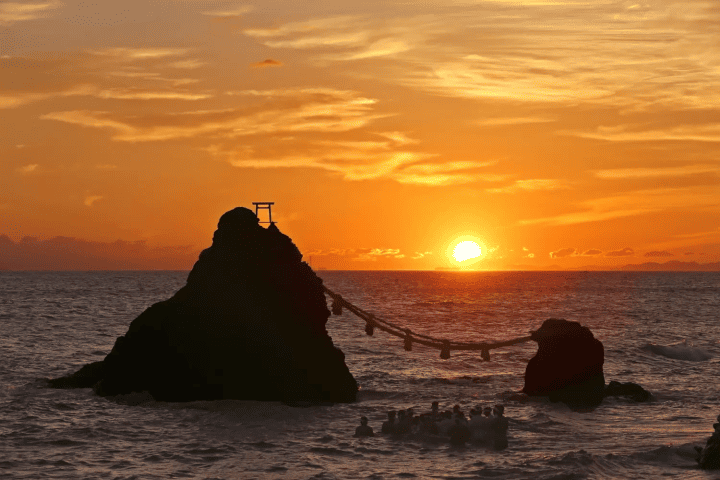
Geshi (夏至) refers to the Summer Solstice, the day with the longest daylight hours of the year in Japan. Occurring around June 21st, Geshi is one of the 24 seasonal markers in the traditional Japanese calendar known as 二十四節気 (Nijūshi Sekki).
While Geshi isn’t widely celebrated as a public holiday, it holds cultural, agricultural, and spiritual significance in various parts of Japan.
When Is the Summer Solstice in Japan?
The Summer Solstice typically falls between June 20–22, depending on the year and astronomical calculations. In 2025, for example, Geshi occurs on June 21.
Cultural Significance of 夏至 in Japan
-Traditional Meaning:
Geshi signifies maximum yang energy (陽) in traditional East Asian cosmology.
It marks a turning point when daylight begins to shorten gradually.
It’s connected to growth, fertility, and transition into peak summer.
-Agriculture & Seasonal Shifts
In rural Japan, Geshi indicates a shift in the farming calendar:
Rice planting is nearly complete.
Farmers prepare for the early summer rains (tsuyu) and the eventual harvest season.
It’s a period of intense sunlight, humidity, and lush greenery.

Summer Solstice Customs and Local Traditions
While not universally celebrated across Japan, some regions maintain local customs and observances tied to Geshi:
1. Shrines & Spiritual Observances
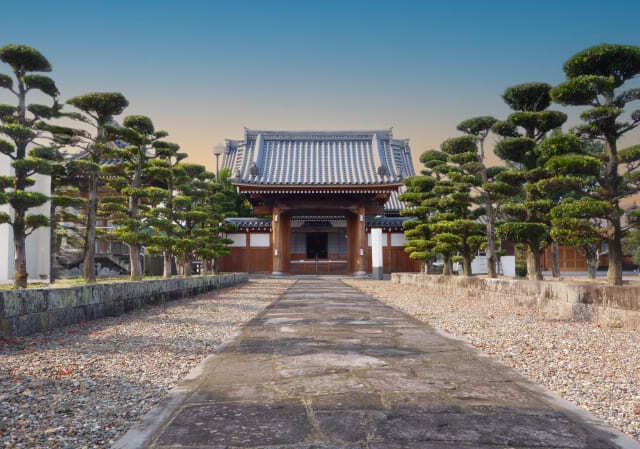
Shrines and temples may hold summer purification rituals (夏越の祓 – Nagoshi no Harae), preparing for the hotter, more spiritually “unclean” months ahead.
People walk through chinowa (sacred grass rings) for protection and renewal.
2. Food Traditions
In Mie Prefecture and the Kansai region, people eat octopus (tako) during Geshi. The idea is that the tentacles symbolize firmly rooted rice plants.
Other seasonal ingredients include:
- Ume (plum) dishes
- Sōmen noodles
- Fresh vegetables like cucumber and eggplant
Travel Tips for Visiting Japan During Geshi
|
Travel Tip
|
What You Should Know
|
|
Weather
|
Warm to hot with high humidity; rains from tsuyu likely
|
|
Pack Essentials
|
Sunscreen, hat, water bottle, light clothes, and umbrella
|
|
Where to Go
|
Temples, shrines, hydrangea gardens, and countryside regions
|
|
Seasonal Products
|
Uchiwa fans, summer wagashi (sweets), cooling towels
|
|
Cultural Experiences
|
Attend small shrine events or summer rituals
|
Summary
Geshi (夏至), the summer solstice, marks the longest day and shortest night of the year in Japan — usually around June 21st. While not widely celebrated with large festivals, it reflects Japan’s deep connection to seasonal change and nature’s rhythms, especially in agricultural and rural traditions.
With extended daylight hours and vibrant summer landscapes, Geshi offers a perfect window for slow travel, nature exploration, and cultural discovery.
If you're interested in traveling to Japan, please feel free to contact us.