1. What Is Doyo in Japan?
Doyo (土用) refers to a transitional 18-day period before the start of each season in the traditional Japanese calendar. But it’s the summer Doyo, before Risshū (the beginning of autumn), that holds special meaning.
There are four Doyo periods each year:
- Before Risshun (Spring)
- Before Rikka (Summer)
- Before Risshū (Autumn)
- Before Rittō (Winter)
Among them, the summer Doyo—especially its highlight, the Day of the Ox—has grown into a cultural symbol of endurance, recovery, and community.
2. Midsummer Day of the Ox: Doyo Ushi no Hi
In Japanese, the “Day of the Ox” (Ushi no Hi) is calculated using the traditional Jūnishi zodiac cycle. During the summer Doyo, this day is known as Doyo no Ushi no Hi, and it typically falls in late July.
Historically, Japanese people believed that eating foods beginning with “u” (like Unagi, Ume, or Udon) would protect against heatstroke and restore energy. The connection is partly linguistic: “Ox” in Japanese is “Ushi”, and Unagi shares the same starting syllable.
Over time, eating Unagi during Doyo no Ushi no Hi became a widespread tradition—and a powerful cultural and emotional anchor.
3. Unagi: The Soul-Soothing Eel Dish
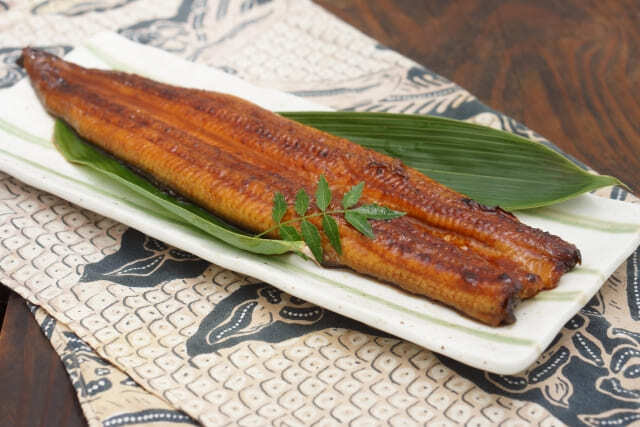
Grilled unagi, often served as kabayaki (eel fillets glazed with a savory-sweet soy-based sauce), is the iconic dish of Doyo no Ushi no Hi. Rich in protein, vitamins, and minerals, unagi was historically praised as a restorative food to help people endure the oppressive summer heat.
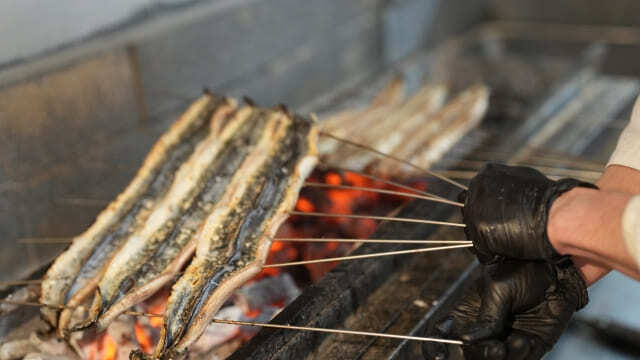
Beyond nutrition, unagi carries deep emotional and cultural resonance. The aroma of eel grilling over charcoal, the glossy sauce, and the tender texture create a sensory experience that comforts both body and spirit. From the Edo period onward, unagi became a symbol of seasonal resilience—an edible reminder that strength and solace can come from tradition.
4. Summary
Doyo is more than just a midsummer period—it’s a reminder that rest is sacred, that nourishment is emotional, and that even in the fiercest heat, tradition can bring comfort.
In the heart of summer, beneath the weight of humidity and life, Doyo gives us permission to pause, reflect, and heal—with a single bite of Unagi and the words of someone who understands.
If you're interested in traveling to Japan, please feel free to contact us.