1.The Flower Festival in Japan
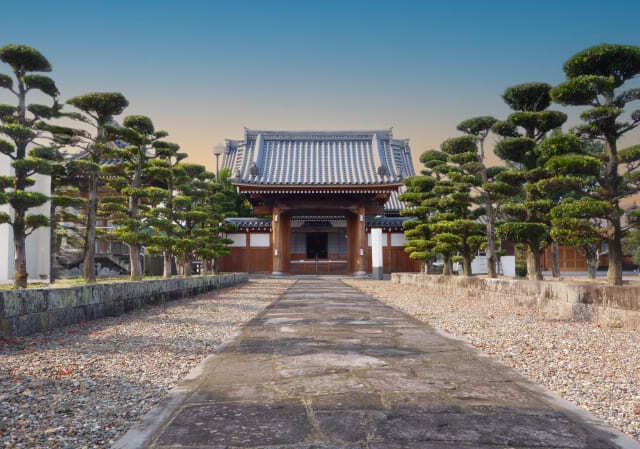
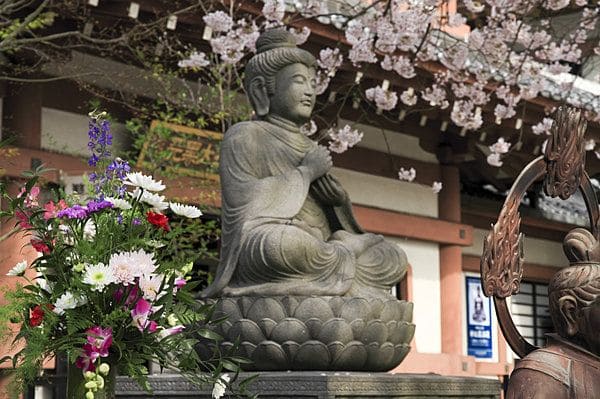
Hanamatsuri (花祭り), or the “Flower Festival” is a Japanese national holiday dedicated to celebrating the birth of Shakyamuni Buddha (Siddhartha Gautama), the historical founder of Buddhism. In Japan, it is observed annually on April 8, symbolizing the arrival of spring and the themes of renewal and spiritual awakening.
Although Hanamatsuri has strong Buddhist roots, it is often embraced as both a religious and cultural event, particularly in schools and local communities. The festival holds a special place in temples of Mahayana Buddhist traditions, including Zen, Tendai, and Nichiren schools.
Hanamatsuri is considered the Japanese counterpart of Vesak, which is celebrated in many other Asian countries—such as Sri Lanka, Thailand, and China—according to the lunar calendar and often at a different time of year.
This joyful celebration blends faith, nature, and tradition, creating a uniquely Japanese expression of reverence for Buddha's life and teachings.
The main features of a holiday:
- The central ritual of Hanamatsuri is the bathing of the statue of the infant Buddha.
- Temples are decorated with flowers, and a special pavilion called hanadō (花堂, “flower hall”) is set up to symbolize the Lumbini Garden, where Buddha is believed to have been born.
- On this day, worshippers and children take part in festive processions and ceremonies, offer sweet tea, chant sutras, and decorate the temple grounds with seasonal blossoms.
2.Why Hanamatsuri Is Celebrated: History and Meaning
According to Buddhist legend, when the Buddha was born, flowers rained from the sky, and heavenly beings bathed the newborn in sweet tea. This poetic scene inspired the most important ritual of Hanamatsuri — bathing the statue of the infant Buddha, symbolizing purity, renewal, and reverence.
The tradition of celebrating the Buddha’s birth came to Japan from China and Korea in the 6th century, along with the spread of Buddhism. Over time, the celebration evolved into a distinctively Japanese festival, blending spiritual symbolism with seasonal beauty. In the Meiji era (late 19th century), the date April 8 was officially designated for Hanamatsuri, aligning it with the Gregorian calendar and the blooming of spring flowers.
Today the festival serves as a reminder of the birth of an enlightened teacher, whose teachings became the foundation of one of the major spiritual paths in the East. Hanamatsuri also symbolizes new life and awakening — themes closely tied to spring. Through participation in the rituals and decoration of temples, people express gratitude, joy, and a shared desire for spiritual harmony and creative renewal.
3.Traditional Ceremonies of the Flower Festival
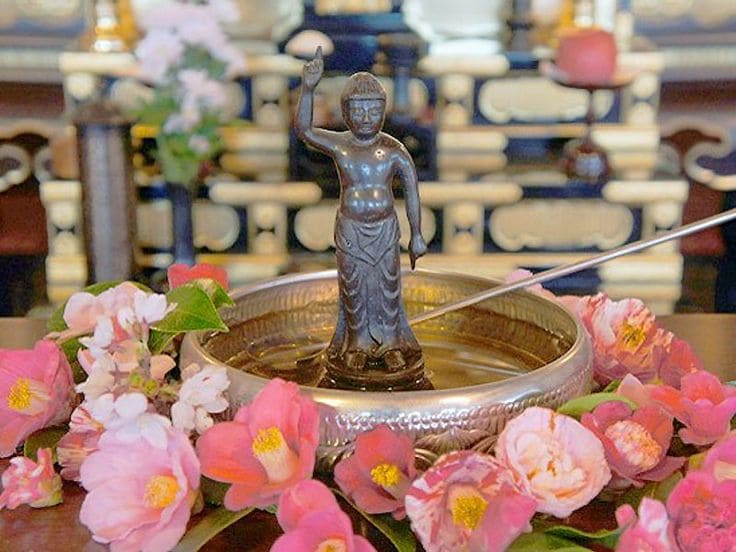
The central element of the Hanamatsuri celebration is the bathing ritual of the infant Buddha, known as Kanbutsu-e (灌仏会). At temples, a special flower-adorned pavilion is set up to symbolize the Lumbini Garden, the legendary birthplace of the Buddha. Inside the pavilion, a small statue of the newborn Buddha is placed — standing with one hand pointing to the sky and the other to the earth, a classic pose representing his declaration at birth.
During the ceremony, both monks and lay participants take turns pouring sweet tea (Ama-cha, 甘茶) over the statue using bamboo ladles. This act symbolizes the legendary scene where celestial beings bathed the newborn Buddha with fragrant waters from the heavens.
3-1. Symbolic Elements of the Celebration:
- Flowers
The entire setting around the altar is decorated with spring flowers — typically cherry blossoms, camellias, and azaleas. These flowers symbolize not only the arrival of spring, but also awakening, the beauty of the world, and the fleeting nature of life, in line with the Buddhist concept of impermanence (mujō 無常). - Sweet Tea «Ama-cha»
This tea, made from the leaves of the hydrangea plant, has a light, herbal flavor. It is drunk by festival participants and also used for bathing the statue of the Buddha. The tea symbolizes purification and the sweetness of spiritual enlightenment. - The Infant Buddha Statue
This is not just a ritual figurine — it represents the moment of the Buddha’s birth. According to legend, Prince Siddhartha was born in the Lumbini Garden, took seven steps immediately after birth, pointed one finger to the sky and another to the earth, and proclaimed: “In all the heavens and the earth, I alone am the honored one” This declaration symbolizes the idea that every person possesses the innate Buddha nature. - Hanadō (花堂) — «цветочный павильон»
This is a symbolic temple, richly decorated with flowers, serves as a temporary altar and creates the atmosphere of a spring garden, recreating the setting in which the Buddha is said to have been born, according to legend.
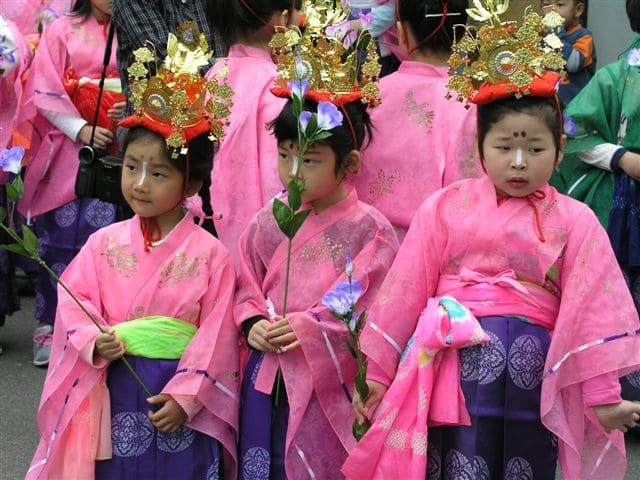
3-2.Children's parades and costumes
In some regions of Japan, parades of children dressed in traditional clothing are held, carrying flowers and offerings. This adds a joyful, family-friendly atmosphere to the celebration. A child may even take on the role of the Buddha in a symbolic reenactment — a way to pass down tradition and instill spiritual values from an early age.
4.Celebrating Renewal: Hanamatsuri and Its Global Echoes
Today, Hanamatsuri remains an important cultural and religious event in Japan, although its format has evolved over time. In major cities like Tokyo, Osaka, and Kyoto, temple ceremonies have become more open and festive, attracting families with children, school groups, and tourists. In some regions, parades, musical performances, and even the distribution of sweet Ama-cha tea to passersby give the celebration the atmosphere of a joyful spring festival.
Today, Hanamatsuri is celebrated not only as a Buddhist holiday, but also as part of a wider tradition of springtime festivities shared by many cultures. Its core message — the joy of new life, renewal, and awakening — speaks to people around the world.
Spring has always been a time when people come together to celebrate new life and the renewal of nature. In this sense, Hanamatsuri shares common ground with other springtime holidays around the world, such as:
- Easter (Christianity): Celebrates resurrection and hope.
- Holi – the Indian Festival of Colors, symbolizing the triumph of good over evil and the arrival of spring.
- Nowruz, celebrated in Central Asian and Middle Eastern countries, marks the spring equinox and the beginning of the new year.
- Qingming – a Chinese festival of remembrance and cleansing, also closely connected to spring.
What unites these festivals is not their religious background, but a universal human need for renewal, reflection, and gratitude. It is precisely this that keeps Hanamatsuri relevant today — not only in temples, but in the hearts of those seeking balance, light, and meaning.
Glossary of Japanese Terms
|
Term |
Pronunciation |
Meaning |
|
花祭り |
Нanamatsuri |
"Flower Festival" – celebration of Buddha’s birthday |
|
甘茶 |
Аma-cha |
Sweet tea made from hydrangea leaves, offered during the ritual |
|
灌仏会 |
Кanbutsu-e |
"Buddha Bathing Ceremony" – a key ritual of Hanamatsuri |
|
花堂 |
Нanadō |
"Flower Pavilion" – a small floral structure where Buddha’s statue is placed |
|
無常 |
Мujō |
Buddhist concept of impermanence – the idea that all things are transient |
Summary
Hanamatsuri (花祭り), the Flower Festival of Japan, is more than a Buddhist ritual — it is a celebration of life, renewal, and spiritual harmony. Rooted in the legend of Buddha’s birth, it blends sacred rituals like the bathing of the infant Buddha with colorful flowers, sweet Ama-cha tea, and joyful children’s parades. Celebrated every April 8, 花祭り connects Japan’s Buddhist traditions with universal themes of spring, gratitude, and rebirth. Today, it remains both a temple-centered ceremony and a cultural event that resonates globally, reminding us of the timeless human desire for renewal and hope.
If you'd like to travel to Japan, please feel free to contact us!