1.What Is This Period and Why Does It Matter?
Usui (雨水) is the second of the twenty-four seasonal divisions known as sekki (節気), which form the foundation of the traditional Japanese solar calendar. The term literally means “rain water” and marks the moment when winter gradually gives way to spring: snow begins to melt, and the first rains arrive in its place.
Usui typically begins around February 18–19 and lasts until March 4–5, signifying a transitional phase from the cold, dry winter to the mild, damp beginnings of spring. This time of year is characterized by rising temperatures, increased rainfall, and the reawakening of natural life.
In agrarian Japan, before industrialization, Usui held great importance: it marked the start of soil preparation, predictions for the upcoming harvest, and the beginning of renewed activity in the fields. Even today, when most people live in urban environments, Usui remains a culturally meaningful marker — a quiet reminder that nature is beginning to stir again, and that we, too, can experience a kind of personal awakening.
In this way, Usui is more than just a change in the weather — it is a symbol of movement, renewal, and life beginning anew.
2.When Snow Turns to Rain: How Nature Changes During Usui
While the previous period, Risshun (立春), only hinted at the coming transformation, during Usui, the change becomes truly tangible. Temperatures gradually begin to rise, the snow recedes, and in its place comes rain — soft, warm, and awakening.
The soil begins to absorb moisture — a crucial moment in a country where rice cultivation and agriculture depend heavily on water. The air grows more humid, light morning mists appear, and the sky is increasingly veiled in grey clouds, heavy with the promise of spring.
Nature begins to shift in visible ways:
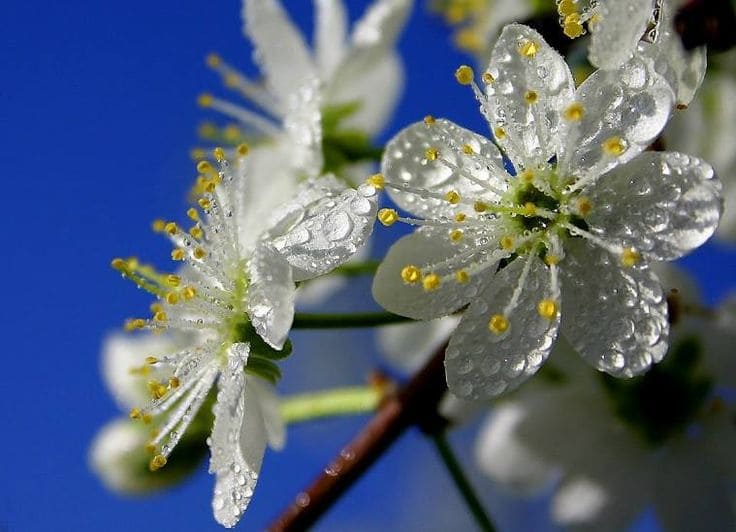
- Buds begin to swell on the trees, especially on early-blooming ume (plum trees), which are among the first to show signs of spring
- Birds grow more active, filling the forests and gardens with new sounds — subtle, but unmistakably different from the silence of winter
- Even the first insects begin to stir. Though still hidden from sight, life is quietly returning
These changes are easy to overlook — unless you’re paying close attention. But that’s exactly the essence of the Japanese way of sensing the seasons: to value subtle shifts, to sense the mood of nature, and to move in harmony with it.
3.Water as a Symbol of New Life: The Deeper Meaning of Usui
If snow symbolizes stillness and rest, then water — in the form of rain — represents life in motion. It’s no coincidence that the period of Usui takes its name from water: 雨 (ame) means “rain,” and 水 (mizu) means “water”. These two characters speak for themselves — moisture seeps into the earth, nourishes the land, and awakens all living things.
In Japanese culture, water is associated not only with harvest and fertility, but also with purification, renewal, and inner cleansing. It symbolizes flexibility, adaptability, and constant movement. In both Shinto and Zen Buddhism, water plays a central role in purification rituals — just as the gentle spring rain washes away the remnants of winter and clears the path for new life to begin.
3-1.The Three Micro-Seasons of Usui: A Japanese View of Nature’s Subtleties
What makes Usui even more fascinating is that it’s divided into three tiny microseasons, called kō (候), each lasting just about five days. These mini-seasons capture the subtlest shifts in nature — the kinds of changes you might miss unless you're really paying attention.
- 土脉潤起 (Tsuchi no shō uruoi okiru) —The earth begins to moisten
→ The first hint of spring: snow melts away, and the soil becomes soft and damp
- 霞始靆 (Kasumi hajimete tanabiku) — Spring haze begins to drift
→ A light mist appears in the air, as if everything is wrapped in a delicate watercolor veil. It’s a sign that spring is drawing near
- 草木萌動 (Sōmoku mebae izuru) — Plants begin to sprout
→ Buds start to open, grasses reach toward the light. The true movement of life begins
These microseasons highlight just how attentive and sensitive the Japanese are to nature’s subtle changes. It’s not just a calendar — it’s a whole way of seeing the world differently.
3-2.The Beginning of the Agricultural Year: Usui’s Role for Farmers
For traditional Japanese villages, Usui was more than just a poetic date on the calendar. It was a practical milestone: a time when farmers began preparing the soil, checking water sources, and planning their sowing.
The rain that replaced the snow was seen as a promise of a future harvest. Folk beliefs led people to closely observe the weather, birds, and plants during this period — all of which influenced farmers’ expectations and actions.
It was said that if gentle rains fell frequently during Usui, the year would be fertile. But if the ground remained dry at this time, a drought in summer was likely.
4.From Sakura to Dolls: Cultural Traditions and Customs of Usui
Although the cherry blossoms are still weeks away, the period of Usui already brings a springtime mood—not just in nature, but in culture as well. During this transitional time, homes begin to fill with the first seasonal decorations, traditional foods, and symbols of Hinamatsuri (Girl’s Day), celebrated on March 3rd.
4-1.Preparing for Hinamatsuri — a celebration of purity and the arrival of spring
During Usui, families begin to display hina-ningyō — traditional dolls dressed in elaborate costumes representing the imperial court. These miniature figures are carefully arranged on a red, tiered platform inside the home as part of the preparations for Hinamatsuri, a celebration that symbolizes prayers for the health, beauty, and happiness of girls.
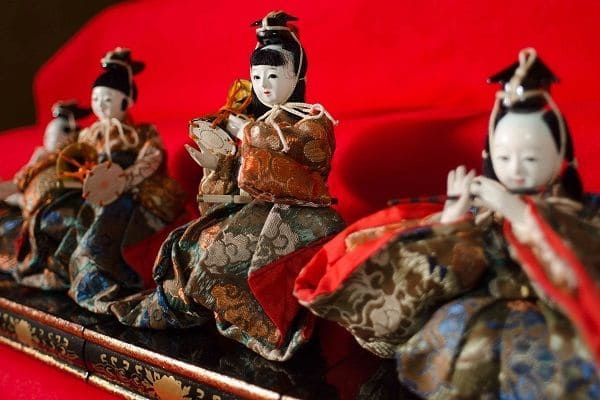
These dolls, like the rain of Usui, are symbols of purification and protection against evil. In ancient times, there was a ritual where paper dolls were set afloat down the river — it was believed that the flowing water would carry away sickness and misfortune.
4–2.Usui as an Inner Season: A Philosophy of Springtime Renewal
Japanese culture perceives the seasons not only in the outside world but also within ourselves. Usui is a time when body and mind begin to awaken from their winter rest. Water, the symbol of this period, reflects inner movement — from inertia to flow, from stagnation to clarity and life.
In Zen Buddhism, water is associated with flexibility and purity. It takes the shape of whatever surrounds it, yet remains true to itself. The spring rain during Usui can be seen as a metaphor for cleansing the mind, letting go of the unnecessary to make room for the new.
It’s a wonderful time to:
- Refresh your habits
- Organize and tidy the space around you
- Slowly “wake up” from the winter mode
Usui isn’t just about rain and melting snow. It’s a season when culture, nature, and our inner selves move together — from dolls and rituals to a calm mind and a fresh start.
5.Usui in Modern Japan: Is the Ancient Calendar Still Alive?
In a world dominated by digital calendars and fluorescent office lights, it may seem like there’s little room left for something as subtle and poetic as Usui — a season named after rain and melting snow. But in Japan, where tradition often coexists with modernity, this ancient micro season still leaves its trace.
5-1. From Farmer's Almanac to Smartphone Screen
The traditional 24 seasonal divisions (sekki), including Usui, were once essential tools for farmers. They helped determine planting schedules, harvest expectations, and even daily routines. But today, most people in Japan don't farm — they commute, work indoors, and mark their seasons with public holidays or sakura forecasts.
And yet, Usui isn’t forgotten. In recent years, there's been a quiet revival of interest in the old seasonal calendar — especially among those drawn to slow living, mindfulness, and traditional culture. Digital planners and lifestyle apps now include seasonal prompts tied to the 24 sekki, encouraging users to reconnect with nature’s rhythm.
5-2. A Season for Reflection, Even in the City
Even in the heart of Tokyo, the signs of Usui are there — if you know how to look. The first light rains. Moist air in the morning. Plum blossoms (ume) blooming at the edge of a train station platform. These aren’t just weather events — they’re emotional cues, subtle reminders that life is shifting, quietly, gently.
Some temples still acknowledge the seasonal change with small rituals. Schools sometimes reference the sekki in seasonal crafts or morning announcements. And Japanese gardens, always in tune with natural cycles, begin to show the first flush of green during this time.
5-3. Usui as a State of Mind
In many ways, Usui has moved inward. For city dwellers, it may not be about farming anymore — but it can be about mental cultivation. Slowing down. Noticing the shift in air. Letting go of winter’s heaviness.
It’s still a time to:
- Refresh routines and spaces
- Reconnect with natural cycles — even through a walk in the rain
- Prepare mentally for the season of action and renewal to come
The old calendar might not rule daily life anymore, but its spirit lives on in seasonal foods, festivals, gardens, and quiet awareness. Usui may have started as a farmer’s signpost, but today, it’s also an invitation to notice — and to feel — the subtle beginning of spring.
Summary
Usui is more than just a season on an old calendar — it’s a gentle transition, a shift we can feel in the damp air, the softened ground, and the quiet anticipation of change. It reminds us that new beginnings rarely arrive all at once. They seep in like melting snow, quietly nourishing what's next.
In a world that often moves too fast, recognizing Usui — even in small ways — can reconnect us to the natural rhythm of life. Whether through a mindful walk in the rain, a bowl of seasonal food, or simply noticing the plum blossoms bloom, Usui invites us to pause, soften, and prepare for spring.