What does Daikan(大寒) mean in Japanese?
The solar term Daikan(大寒) (Greater Cold) begins on approximately January 20 in the modern calendar. It is the coldest time of the year, but the days are gradually getting longer as spring approaches. In the ancient calendar, Risshun (Beginning of Spring), which follows Daikan(大寒), was considered the start of the year.January 20 is called "Daikan(大寒)" (大寒) , the coldest term of the winter.
"Daikan(大寒)" (大寒) is one of the 24 solar terms in the traditional Japanese calendar, which is based on the lunar calendar. Each solar term marks a specific astronomical event or natural phenomenon and helps guide agricultural activities."Daikan(大寒)" typically falls around January 20th and signifies the coldest period of winter. It is the 11th solar term in the Japanese calendar, counting from winter solstice. During Daikan(大寒), people traditionally prepare for the coldest weather, and it serves as an indicator that winter is at its peak. The term is composed of two characters: "大" (dai) meaning "big" or "great," and "寒" (kan) meaning "cold."
In modern times, the Japanese calendar has largely been replaced by the Gregorian calendar for official and everyday use, but the traditional solar terms are still referenced in various cultural practices, including agriculture and seasonal festivals.
Winter in Japan is a season of contrasts that demands thoughtful preparation—especially from tourists. For snow lovers, regions like Hokkaido and the Japanese Alps transform into stunning winter wonderlands. Meanwhile, cities such as Tokyo and Osaka experience cooler temperatures with occasional light snowfall.
Whether you’re a local accustomed to this seasonal shift or a tourist visiting Japan for the first time, winter can be as challenging as it is captivating. Proper preparation is not just about comfort; it’s essential for fully enjoying all that Japan has to offer during this season. This guide is here to provide everything you need to make the most of your winter experience in Japan.
Winter Months in Japan
As the vibrant autumn leaves change color and fall by the end of November, Japan gracefully transitions into winter in December, ushering in crisp breezes and chilly weather. The last month of the year officially marks the start of the season, with temperatures dropping to around 12°C in the morning and 8°C in the evening in most regions. January then marks the peak of winter, making it the coldest month of the year and one of the country’s major travel seasons. Temperatures drop significantly during this time, especially in northern areas like Hokkaido. Finally, February remains cold but brings clearer skies to most regions, making it an ideal time to visit snowy landscapes and enjoy winter festivals.
Winter in Sapporo
Japan’s winter temperature greatly varies per region. While some areas are blanketed with snow and experience freezing conditions, others enjoy milder weather with only occasional frost. Understanding these regional variations is essential for planning your travel plans.
Northern Japan
Northern Japan experiences freezing temperatures, often dipping below -10°C, accompanied by heavy snowfall, particularly in coastal areas along the Sea of Japan and in mountainous regions. Some of the coldest areas include Hokkaido, Aomori, Akita, and Yamagata.
Eastern Japan
Eastern Japan also experiences freezing temperatures and heavy snow in high-altitude areas, though most regions have milder conditions compared to Northern Japan. Some of the coldest areas include Gunma, Nagano, and Yamanashi. In contrast, Tokyo and the Kanto Region, which includes Kanagawa, Saitama, and Chiba, have relatively mild winters, with temperatures ranging from 2°C to 10°C.
Western Japan
Western Japan generally has moderately cold winters, but heavy snowfall occurs in some coastal areas. Cold spots include Fukui, Ishikawa, Toyama, and parts of Hyogo Prefecture. Popular tourist destinations like Kyoto and Osaka experience temperatures ranging from 2°C to 8°C, making them more temperate than the northern regions.
Southern Japan
Southern Japan enjoys mild winters thanks to its subtropical oceanic climate. Okinawa benefits from warm, pleasant weather throughout the season, with average temperatures ranging from 15°C to 20°C, making it ideal for those seeking a break from the cold.
What are the coldest and hottest temperatures in Japan, and where are they recorded?
Overall the Japanese climate is temperate, with four clearly defined seasons. But there's considerable variation in temperature from north to south, since the country extends over 25 degrees of latitude. In Hokkaido, the big island of the north, the average temperature during the coldest month of the winter is below -6 degrees Celsius (21 degrees Fahrenheit). The inland basin areas, like those surrounding the cities of Obihiro and Asahikawa, are especially cold; it is common for temperatures to dip below -30 degrees Celsius (-22 degrees Fahrenheit). The lowest temperature ever observed in Japan was -41 degrees Celsius (-42 degrees Fahrenheit), recorded in Asahikawa in January, 1902.
The southernmost part of Japan, the islands including Okinawa, have a sub-tropical climate with long, hot, and humid summers. In Naha, the capital of Okinawa Prefecture, the year-round average temperature is 23.1 degrees Celsius (73.58 degrees Fahrenheit), and even during the winter the lowest monthly average is 13.6 degrees Celsius (56 degrees Fahrenheit). Because the islands of Okinawa are relatively small, ocean breezes keep them from getting too hot in the summer. The highest monthly average temperature is 28.9 degrees Celsius (84.02 degrees Fahrenheit). The hottest summer weather is to be found around Tokyo and in some other parts of Honshu, Japan's main island, where the temperature can reach almost 40 degrees Celsius (104 degrees Fahrenheit). In July 2018, a high of 41.1 degrees Celsius (105.98 degrees Fahrenheit) was recorded in Kumagaya, Saitama Prefecture.
Also RIKUBETSU, Hokkaido—Residents of this inland community of 2,200 are relieved and delighted to see their municipality defend its title as “the coldest town in Japan” for the fifth year in a row
Winter Festivals in Japan You Mustn’t Miss
With proper preparation and reliable transportation, take the opportunity to explore Japan’s winter festivals and immerse yourself in the culture while enjoying the stunning snow-covered scenery of its coldest and most picturesque regions. Here are some must-see winter festivals to make the most of your winter holiday:
Sapporo Snow Festival (Hokkaido)
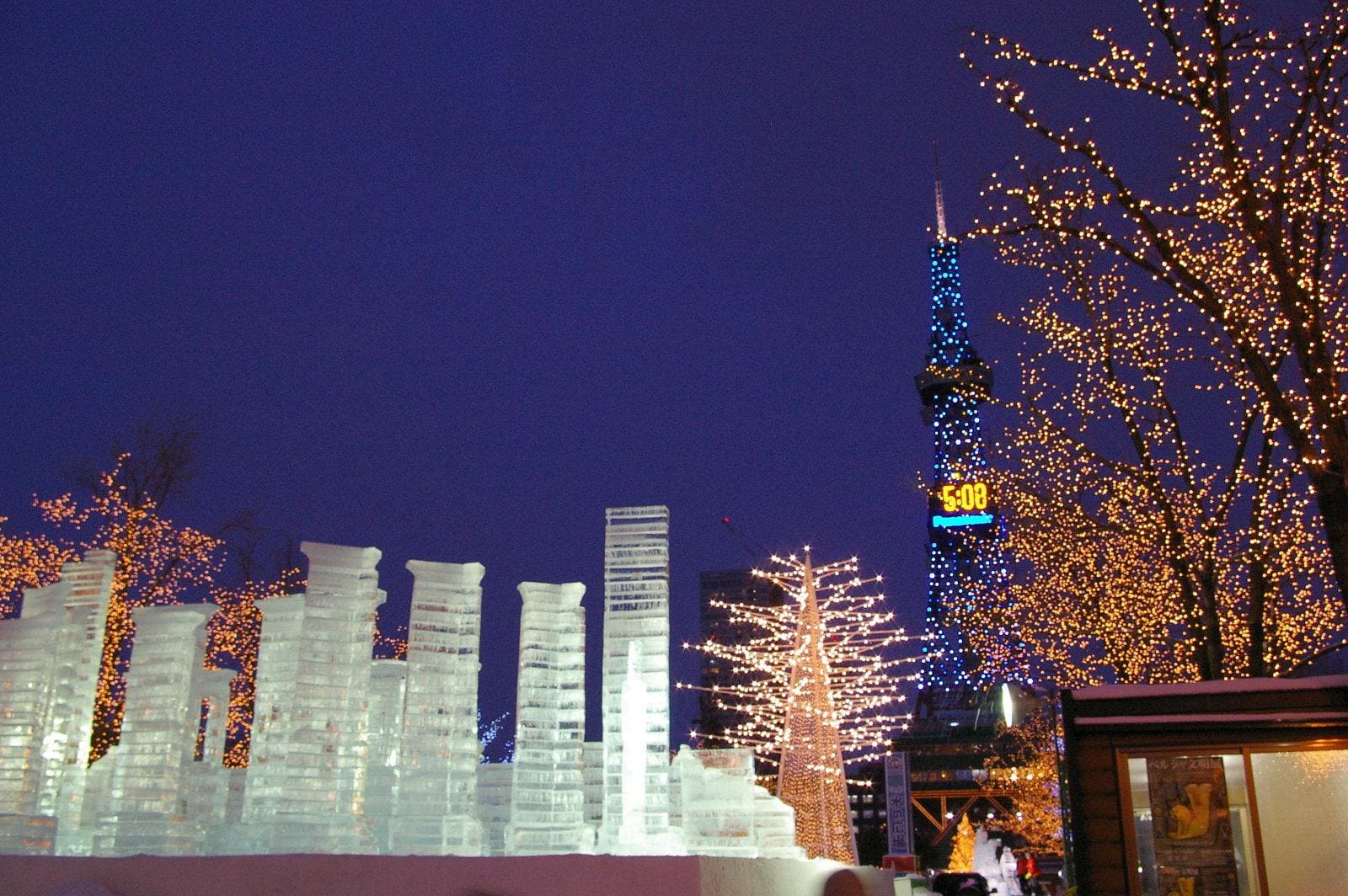
The Sapporo Snow Festival is one of Japan's most iconic winter events, held annually in early February in Sapporo, the capital of Hokkaido. This week-long festival showcases breathtaking snow and ice sculptures, some towering over several meters high and intricately carved into stunning designs ranging from famous landmarks to pop culture figures.
The event is spread across three main sites: Odori Park, Susukino, and Tsudome, each offering unique attractions such as illuminated displays, ice bars, and family-friendly activities like snow slides and snow rafting.
Pro Tip: Visit the festival at night to see the sculptures illuminated, and don’t miss sampling local Hokkaido delicacies at nearby stalls.
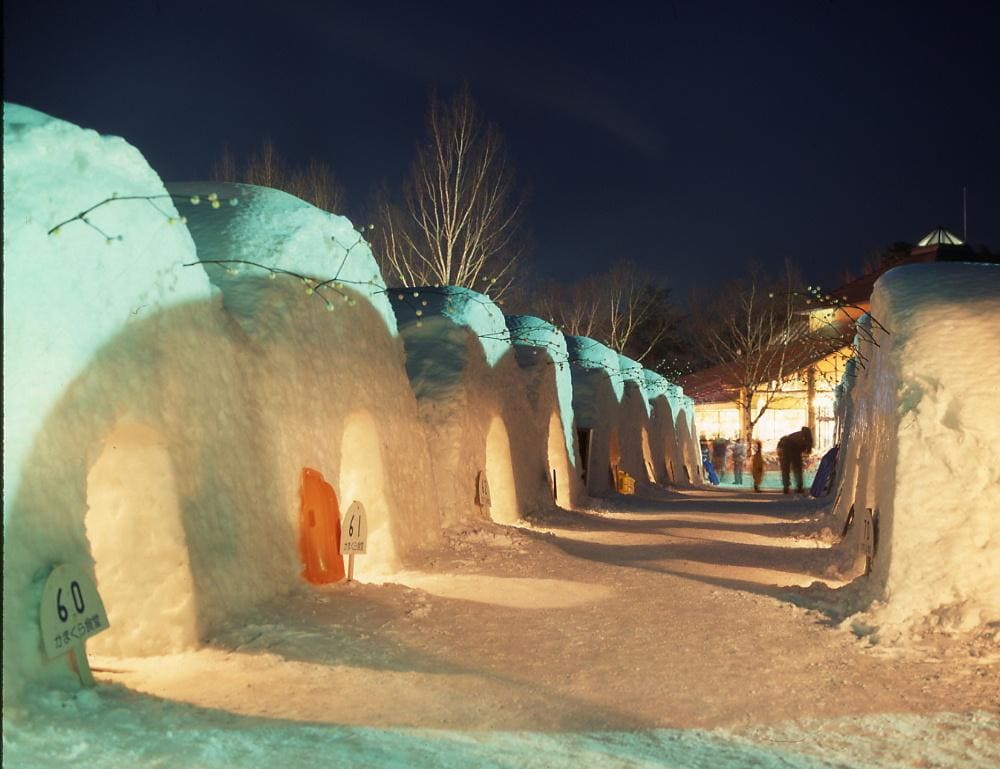
Yokote Kamakura Festival (Akita)
This traditional event dates back over 450 years and celebrates the region’s cultural heritage with Kamakura, small igloo-like snow huts. Each Kamakura features a snow altar dedicated to the water deity, where visitors can offer prayers for a clean and plentiful water supply. The festival comes alive at night when the kamakura and surrounding snow are illuminated by candles.
Pro Tip: To make the most of your visit, arrive in the late afternoon to see the Kamakura during daylight and stay into the evening for the enchanting candlelit displays. Don’t miss the smaller mini Kamakura, which line streets and fields, offering breathtaking photo opportunities.
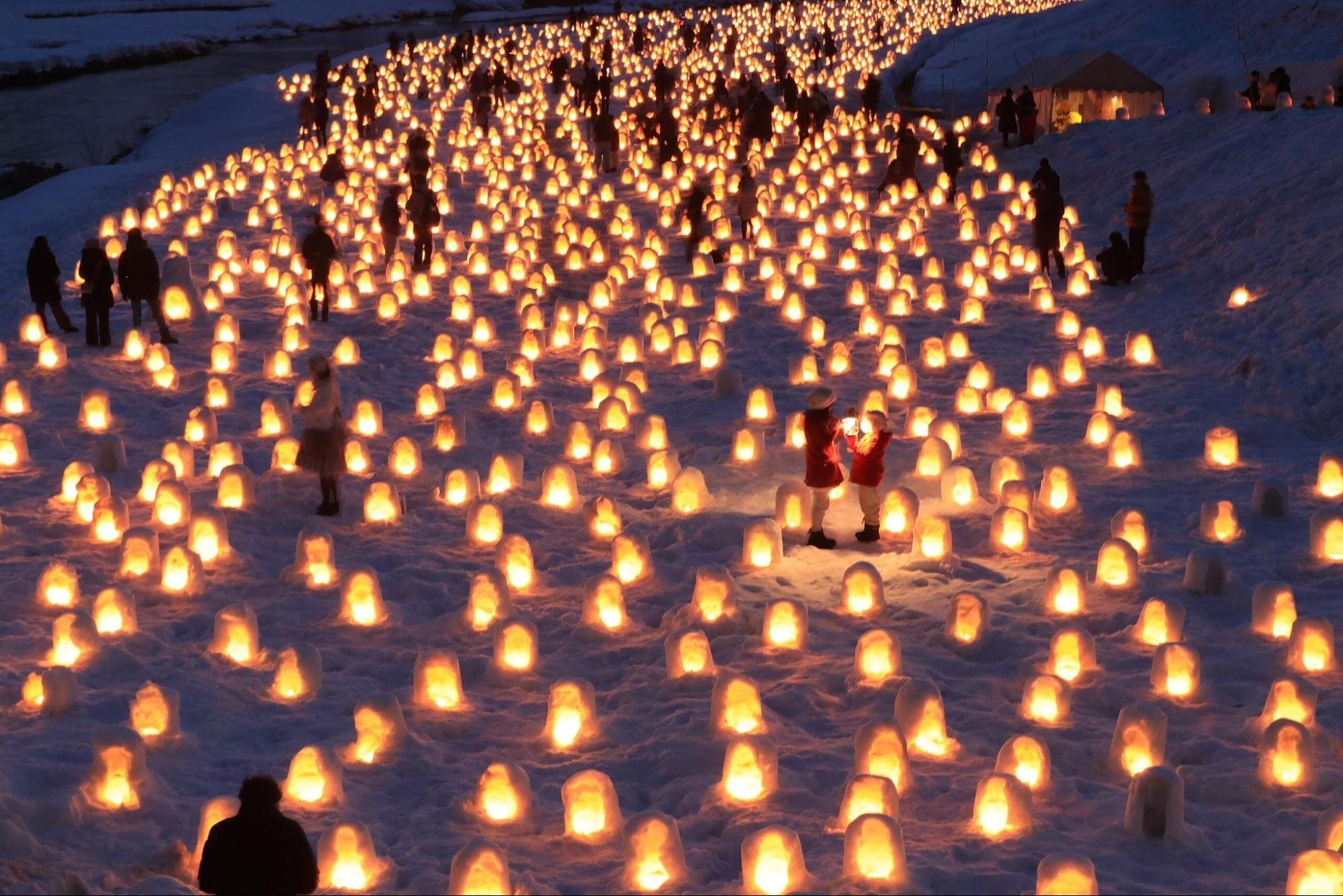
Hirosaki Castle Snow Lantern Festival (Aomori)
The festival is set against the backdrop of the historic Hirosaki Castle and features over 200 snow lanterns and countless small snow sculptures illuminated by candles. The park is also adorned with colorful lights and projection mapping displays on the castle walls.
Pro Tip: Visit the festival in the evening to experience the full beauty of the illuminated snow lanterns and sculptures, and take your time exploring the park for the best photo spots.
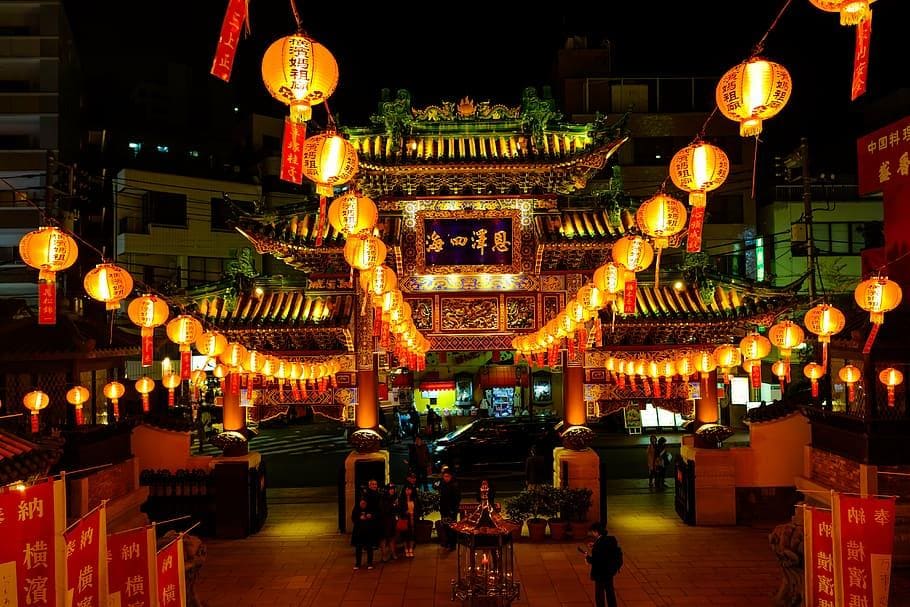
Iwate Snow Festival (Iwate)
This week-long festival showcases massive snow sculptures, horse-drawn sleigh rides, snow slides, and a variety of family-friendly activities. In the evenings, the sculptures are beautifully lit up, and the festival grounds come alive with colorful illuminations.
Pro Tip: Arrive early in the day to participate in snow activities, then stay after sunset to see the illuminated sculptures.
Tokamachi Snow Festival (Niigata)
Set in a region famous for its heavy snowfall, the festival features a variety of creative snow sculptures, performances, and interactive events—mostly music and dance shows. Snow sculptures are illuminated at night, against the backdrop of fireworks and live entertainment.
Visitors can also enjoy local specialties, like ramen and sake, at food stalls scattered across the festival grounds.
Pro Tip: Don’t miss trying Tokamachi’s renowned local rice and sake–perfect for warming up in the winter chill
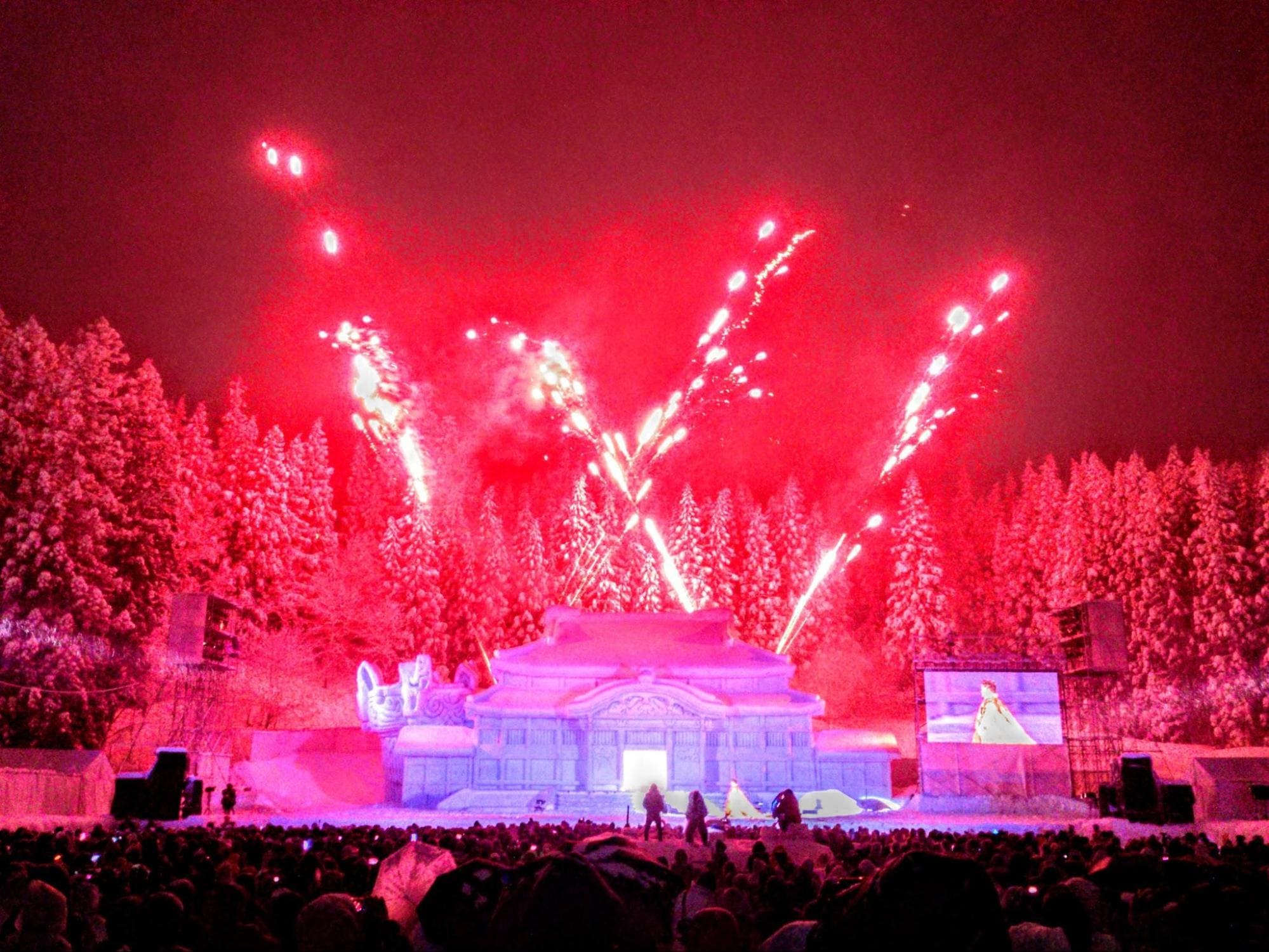
Winter Activities in Japan You Should Try
Winter in Japan offers a wealth of activities to suit every kind of traveler—adrenaline junkies eager to hit the slopes, nature lovers looking to explore serene snowy trails, or just travelers in search of relaxation. Here are some of the top winter adventures in Japan and where exactly you can enjoy them.
Snowboarding, Skiing, and Snowshoeing
Winter sports enthusiasts will find Japan to be a paradise for exciting snow adventures, offering something for every skill level. There are snowboarding, skiing, and snowshoeing activities for beginners looking for gentle, easy-to-navigate slopes and experts seeking the thrill of challenging runs.
Niseko, Hokkaido: Famous for its top-quality powder snow and excellent facilities, making it a paradise for skiers and snowboarders. It also offers wide-open runs, off-piste areas, and stunning views of Mount Yotei.
Hakuba Valley, Nagano: A collection of 10 interconnected ski resorts, Hakuba Valley offers diverse terrain from beginner slopes to advanced backcountry trails.
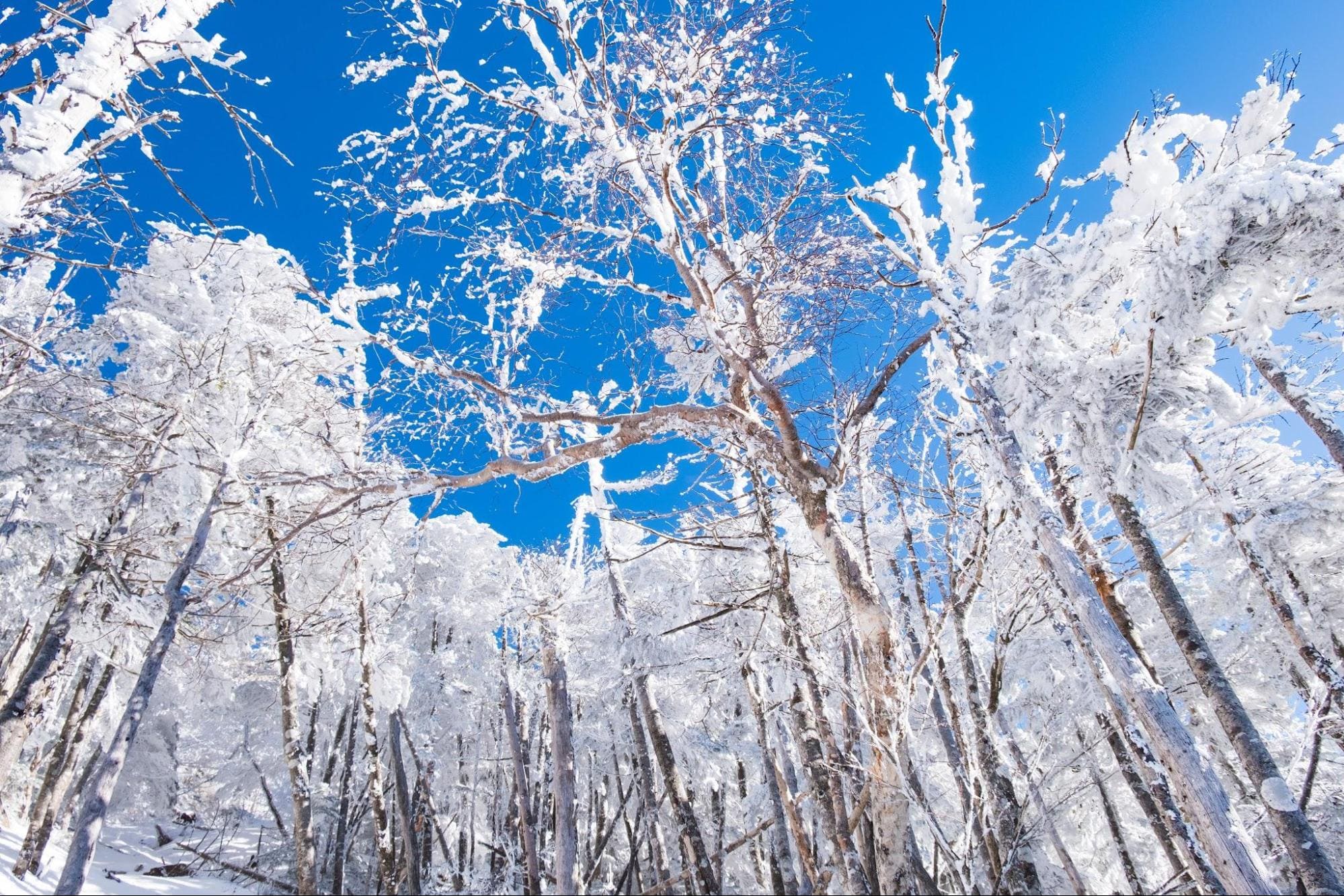
Zao Onsen, Yamagata: Famous for its “snow monsters,” frost-covered trees that create otherworldly landscapes. Winter sports here are both thrilling and visually mesmerizing.
Gala Yuzawa, Niigata: Just a short Shinkansen ride from Tokyo, Gala Yuzawa offers excellent skiing, complete with an onsen to unwind after hitting the slopes.
Shiretoko National Park, Hokkaido: A UNESCO World Heritage Site, Shiretoko offers pristine winter trails for snowshoeing with the chance to spot wildlife.
Oze National Park, Gunma/Niigata: Offers snowshoeing activities through wide-open fields and gentle slopes, surrounded by towering peaks and snowy silence.
Soak in an Onsen
Soaking in an onsen amidst snowy surroundings is an experience that perfectly blends relaxation and cultural immersion. Onsens are natural thermal baths rich in minerals believed to have therapeutic benefits; they can soothe muscles and melt away the winter chill.
Noboribetsu Onsen, Hokkaido: Known for its sulfur-rich waters and the dramatic volcanic landscapes of Jigokudani (Hell Valley), this onsen town offers a diverse winter experience.
Kusatsu Onsen, Gunma: Famous for its Yubatake (hot water field), this charming town is consistently ranked among Japan’s best onsens.
Jigokudani Monkey Park, Nagano: Visitors can watch wild snow monkeys soaking in natural hot springs, a unique and heartwarming sight. Nearby onsens offer their own relaxing experiences.
Beppu Onsen, Oita: Located in Kyushu, Beppu offers a variety of unique baths, including sand, mud, and steam baths.
Ice Skating
Ice skating is a classic winter activity accessible for all ages. In Japan, you can skate in a variety of settings, from urban rinks surrounded by city lights to picturesque outdoor rinks in snowy regions. The skating experience is even better when accompanied by seasonal illuminations and attractions. Here are some of the best places to enjoy ice skating in Japan:
M-Wave Ice Arena, Nagano: Built for the 1998 Winter Olympics, this arena offers top-tier facilities and a spacious rink for skaters of all levels.
Tokyo Midtown Ice Rink, Tokyo: A seasonal rink in the heart of Tokyo—perfect for city dwellers and tourists. The surrounding area also features beautiful illuminations.
Lake Suwa, Nagano: When conditions permit, Lake Suwa freezes enough to allow natural outdoor skating.Red Brick Warehouse Ice Rink (Yokohama, Kanagawa): Set against the historic backdrop of Yokohama’s Red Brick Warehouse, this seasonal outdoor ice rink offers a delightful blend of culture and recreation. Nearby, visitors can enjoy a variety of cafes, restaurants, and shops.
Yoru Machi Skate Rink (Chiba): Located in the lively Makuhari area, the Yoru Machi Skate Rink offers a unique skating experience with a distinctly urban vibe. Great option for families, couples, or groups of friends looking to enjoy some winter fun close to Tokyo.
Ice Fishing
Ice fishing in Japan typically involves drilling a small hole in the ice and using a simple rod to catch wakasagi (smelt). You can enhance your experience with cozy fishing huts and the opportunity to cook and enjoy your fresh catch on-site, though local guides may be necessary to make the most of this activity. Here are some of the best places to enjoy ice fishing in Japan:
Lake Shikaribetsu, Hokkaido: This lake freezes completely in winter, offering not just ice fishing but also a unique ice village with igloos, an ice bar, and even an open-air hot spring on the frozen surface.
Kushiro Shitsugen National Park, Hokkaido: Renowned for its sprawling wetlands and abundant wildlife, this national park offers a unique ice fishing experience. The frozen marshes and tranquil surroundings provide the perfect backdrop for outdoor fishing enthusiasts of all levels.
Lake Hibara in Bandai-Asahi National Park, Tohoku: Visitors can join guided tours and ice fishing activities with provided equipment, followed by nearby hot springs and snow-covered trails.
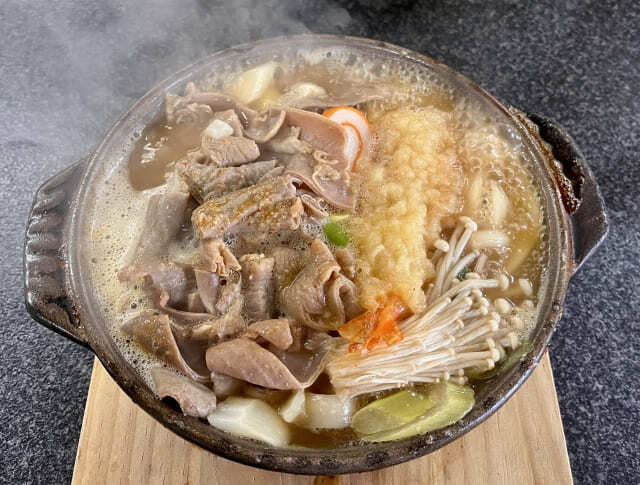
Food and Drinks To Keep You Warm
Nabe (Hot Pot)
Hot pot dishes are popular during winter, and they become particularly prominent during Daikan(大寒). Various ingredients like thinly sliced meat (such as pork or beef), tofu, vegetables, and sometimes noodles are cooked in a simmering broth at the table. This communal meal is not only delicious but also provides warmth.
Oden
Oden is a traditional Japanese winter dish that consists of various ingredients, such as boiled eggs, daikon radish, konnyaku (a type of yam cake), and fish cakes, simmered in a soy-based broth. It is often enjoyed with a side of hot mustard.
Zosui (rice porridge)
Zosui is a comforting rice porridge often made with leftover rice and various ingredients like vegetables, meat, and sometimes seafood. It's a warm and filling dish that is perfect for cold winter nights.
Yudofu (boiled tofu)
Yudofu is a simple and healthy dish where tofu is simmered in a light broth. It is often seasoned with soy sauce and enjoyed with condiments like green onions and grated ginger.
Mikan (mandarin oranges)
While not a hot dish, mikan or mandarin oranges are in season during winter in Japan and are often enjoyed as a refreshing and vitamin-packed dessert or snack.
These foods are not only delicious but also thought to provide nourishment and warmth during the coldest days of winter. Keep in mind that food preferences can vary among individuals and regions in Japan, so the above list is a general representation of traditional winter foods.
Summary:
Daikan(大寒) isn’t just the coldest time of the year; it’s a season that unveils the quiet strength of nature and the resilience of the human spirit. Whether you’re exploring the icy landscapes of Hokkaido or engaging in age-old winter customs, Daikan(大寒) invites you to pause, reflect, and embrace the beauty of winter’s stillness. By understanding this unique period, you not only deepen your appreciation for Japanese culture but also learn to find meaning in the cold.
Ready to discover more about the serene power of Daikan(大寒) and other Japanese traditions? Dive deeper into the season’s wisdom and share your thoughts with us in the comments below!
If you'd like to enjoy Daikan(大寒) in Japan, please feel free to contact us!