What is 八十八夜 Hachiju Hachiya (Eighty-eight nights)?
Hachiju Hachiya (八十八夜), which translates to the "eighty-eighth night," marks the end of cold, wintry nights. In the past, Japan followed a calendar similar to that of China. This calendar had 24 segments called sekki (二十四節気), dividing the whole year. These divisions served as a guide that farmers used to plan their harvests. Usually occurring around February 3rd or 4th, Risshun (立春) marks the onset of spring and the start of the year. If you count the 88th day after that, it is Hachiju Hachiya. It typically lands on May 2nd every year or May 1st in leap years.
In Japanese culture, the number 88 holds special significance. Consuming just one cup of fresh Hachiju-Hachiya Shincha is believed to promote health and longevity, thanks to the abundant nutrients stored in the tea leaves over the winter. Furthermore, the resemblance of the character for "rice" (米) to the number 88, combined with the favorable nature of the number 8, contributes to the belief that Hachiju Hachiya is a fortunate day for agricultural endeavors as well.
The Origin of the 88th Night
Initially, Hachiju Hachiya accommodated the entire agriculture industry. The Ise Goyomi (伊勢暦), a calendar rooted in the traditions of the Ise Shrine, suggests that it was incorporated for "practical reasons" — to notify farmers and fishermen. As Hachiju Hachiya approaches, it brings favorable conditions for various agricultural activities. It has been regarded as a crucial indicator for farmers, marking "the day to get serious about farm work," as it mitigates the risk of late frost, which can harm crops.
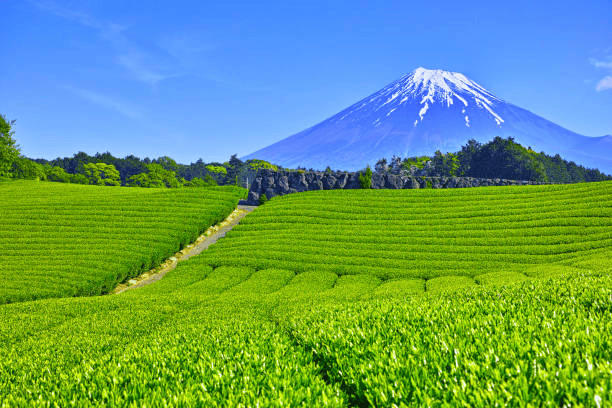
For instance, rice farmers can breathe a sigh of relief as the risk of frost drastically decreases after this night, allowing them to safely sow seeds in rice beds. Moreover, it's a great time for fishermen, as sea breams and octopuses gather to lay eggs, ensuring plenty of fish to catch. Yet, for green tea farmers, this date carries exceptional importance. It signifies the beginning of the peak season to harvest new and fresh green tea leaves, known as the "first tea of the season." During this time, these leaves are highly reputed for their top-notch quality.
How do people celebrate it now?
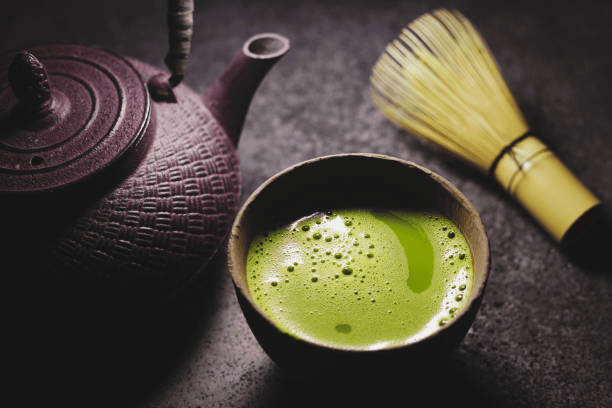
These days, tea-growing conditions differ from place to place, leading to differences in when the first tea harvest happens. Despite this, Hachiju Hachiya still holds its significance as the optimal day to start picking spring tea. To celebrate, many tea regions throw fun events for tea picking. And guess what? You can even dress up in the traditional tea picker's outfit in some places, adding to the excitement.
The 88th Night is a celebration, but it also signifies the beginning of a labor-intensive season crucial for the year's harvest. As you enjoy a cup of fresh Japanese tea and your local produce from the farmer's market, take a moment to appreciate the effort and dedication behind each leaf. The 88th Night is not just a date on the calendar—it's a testament to the enduring spirit of those who cultivate the land. Happy tea-picking season!
Why is Hachijūhachiya Important?

This day signals the ideal time for harvesting the first flush of green tea, known as shincha (新茶). Shincha is prized for its fresh aroma, light flavor, and high nutritional value, especially rich in theanine and catechins. Farmers and tea lovers alike believe that tea picked around Hachijūhachiya brings good luck and health.
A Seasonal Turning Point
Aside from tea, Hachijūhachiya is one of the 24 solar terms (sekki) in the traditional Japanese calendar. It marks the transition from spring to early summer, when frost risk diminishes and planting becomes safe. It’s a crucial guidepost for farmers, gardeners, and those who follow the rhythms of nature.
Cultural Traditions
Tea-picking festivals are held in various regions, such as Shizuoka and Uji, with participants donning traditional attire.
Many people celebrate by drinking freshly picked shincha, offering thanks for a healthy growing season.
It’s also a time for reflection on nature’s blessings and the effort of agricultural workers.
Hachijūhachiya is more than just a date—it’s a celebration of nature, agriculture, and Japanese tradition. Whether you're a tea enthusiast or a cultural explorer, experiencing Hachijūhachiya offers a flavorful and meaningful glimpse into Japan’s deep connection with the land.
Traditionally in Japan, many people were involved in farming. The 88th night signified a time when farmers became busy as they started to plant rice and to harvest the fresh tea leaves.
Today, shincha (the new tea of the year) is not always harvested on the 88th night, especially with the variety of tea cultivars. The time of the first harvest also depends on weather conditions, the tea farm, the region, climate change, etc. Still, tea farmers and tea lovers honor the 88th night. In fact, many of the major tea producing regions promote their tea on this day through exciting tea-related events such as hand-picking and hand-rolling.
In Fujieda City, Shizuoka Prefecture, there was a hand tea picking event that was done on a very large tea bush (more like a tree!) that is said to have been planted about 320 years ago. It is about four meters high with a circumference of about 33 meters, perhaps, the oldest tea bush in Japan where tea is still harvested. On the 88th night, members of the hand-rolling preservation society as well as city officials meticulously harvested the new tea buds. 88 is an auspicious number in Japan. That being said, new tea that is harvested on this day is often said to bring good health and longevity. The fresh tea leaves that were harvested from the wise and old tea bush in Fujieda City will be processed into a tea called “Aroma of Longevity” and distributed to the senior facilities in hopes that the elderly will not only enjoy the tea but also live long.
If you’re looking for a cup of tea harvested on the 88th night, you're in luck! There are a few options on Yunomi for preorder (in parenthesis, the location where the tea is coming from is noted):
Ayumi Farms (Cyittorattu): 2023 Sencha that Laughs with the Mountains (Fujieda, Shizuoka Prefecture)
Bizenya’s Shourai Blend - Handpicked Sayama Hachijyuhachiya Sencha (Sayama, Saitama Prefecture)
Kurihara Tea FK022: Hachijyuhachiya Shincha - May 2nd, 2023, Harvested Sencha (Yame, Fukuoka Prefecture)
Going back to *seasonal time, the 88th night also marks a transitional period from spring to summer, as it is a time when the warmer weather begins to stabilize. In general, in Japan, the spring time months of March and April are characterized by a dance between warm and cold days with a high chance of frost. By the 88th night however, even in the colder regions, tea farmers are able to feel a bit more relaxed about unexpected late frosts happening (frost is one of the ways in which tea can be damaged). There is even a saying in Japanese; “88th night’s farewell frost (八十八夜の別れ霜 )" which bids farewell to frost for good! The 88th night isn’t just for farmers however. Today, it is also a time when people start to prepare for the upcoming summer months. One may take out summer clothes, hats, and sandals that were stored away during the colder months. Or, bring out the summer glassware to enjoy refreshing drinks such as cold-brewed sencha and iced Japanese black tea!
Best tips during 88th in Japan
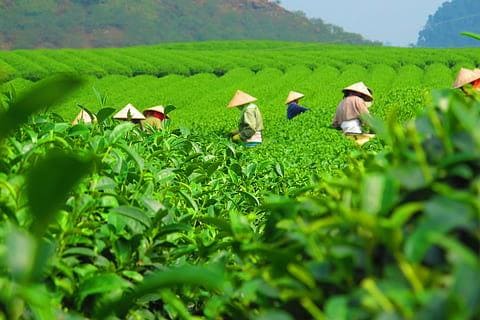
The 88th Night (Hachijuhachiya) in Japan is a time when tea farmers celebrate the end of late frost and the start of the first tea harvest. While there's no specific tourist event associated with the date, it's a good time to visit if you're interested in experiencing the tea culture and perhaps catching a glimpse of local traditions.
Here's what tourists can do during this time:
- Focus on Tea:
- Visit Tea Farms:
Many tea farms have open house days or offer tours during this time, allowing visitors to see the tea picking process and learn about the tea cultivation.
- Enjoy the First Harvest Tea:
Try the freshly harvested tea (newly picked tea) that is considered to have a special, invigorating energy.
- Attend Tea Markets:
Some regions, like the Haiki area in Nagasaki prefecture, have tea markets where people trade and purchase the newly harvested tea.
- Learn about Tea Culture:
Explore tea houses, visit tea-related museums, or take a traditional tea ceremony class.
Other Tips for Travelers:
- Weather:
Spring in Japan can have unpredictable weather, so pack layers and be prepared for both sunshine and rain.
- Crowds:
This is also a popular time for Japanese travelers, so be aware of potential crowds and book accommodations and transportation in advance.
- Golden Week:
If you are traveling during the Golden Week holidays (which may overlap with the 88th Night), be prepared for even larger crowds and higher prices.
https://www.group-shinka.com/culture/kenpo-kinenbi
https://www.group-shinka.com/culture/greenery-day-japan
https://www.group-shinka.com/culture/childrens-day-japan
- Transportation:
Consider using a Japan Rail Pass for convenient and cost-effective travel .Choose between hotels, business hotels, or traditional Ryokans (Japanese inns), which often offer onsen (hot springs) and tatami mat rooms, says Emiko Davies | Substack.
- Food:
Explore a variety of Japanese cuisine, including local specialties and trying the freshly harvested tea.
- Culture:
Respect local customs, such as taking off your shoes at the entrance to some buildings and avoiding public displays of affection.
- Local Transportation:
Utilize Japan's efficient public transportation system, including trains and buses, and consider using an IC card for easy payment.
Summary
Hachijūhachiya (八十八夜)—meaning “88th night”—is a celebrated date in Japan that falls 88 nights after the start of spring. This auspicious day marks the beginning of the first tea harvest, known for producing the most flavorful and prized green tea leaves. Rich in tradition and agricultural significance, Hachijūhachiya is not just a seasonal marker, but a time for celebrating health, renewal, and the artistry of tea-making.
Want to experience the spirit of Japan’s tea season?
Explore the history, customs, and teas of Hachijūhachiya—and discover why this day continues to hold deep meaning in Japanese culture. If you're interested in this culture, please feel free to contact us.