Hiroshima Peace Memorial Day(広島原爆の日): History, Ceremonies, and Travel Guide in Japan
1. What is Hiroshima Peace Memorial Day?
Hiroshima Peace Memorial Day is observed every year on August 6th, marking the anniversary of the atomic bombing of Hiroshima in 1945. It is both a solemn remembrance of those who lost their lives and a call for global peace and nuclear disarmament.
Across the city, bells ring at 8:15 AM—the exact time the bomb was dropped—while survivors, families, and visitors gather for moments of silence and prayer. This day is not only a memorial but also a global reminder of the human cost of war.
2. Peace Memorial Park and the Atomic Bomb Museum
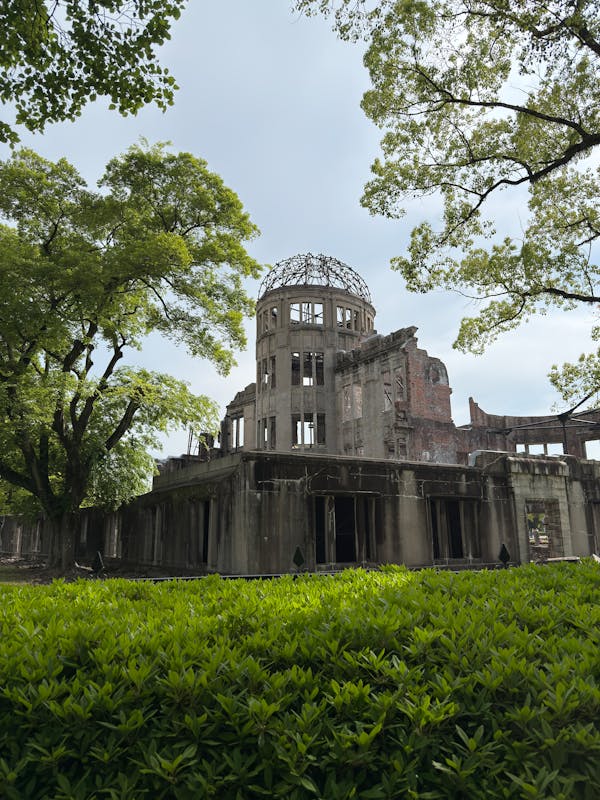
The heart of Hiroshima’s peace message lies in Peace Memorial Park. Standing in front of the Genbaku Dome (Atomic Bomb Dome) is surreal—it’s the only structure left standing near the hypocenter. Its ruins are preserved as a UNESCO World Heritage Site, symbolizing resilience and remembrance.
Inside the Hiroshima Peace Memorial Museum, the experience is deeply moving. Exhibits include:
- Burned school uniforms
- Melted glass bottles and watches
- A child’s footprint burned into stone
- Personal diaries filled with dreams that never came true
Each artifact speaks beyond history—it is a voice from the past urging peace.
3. August 6th in Hiroshima: A Day of Peace and Prayer
On Hiroshima Peace Memorial Day, thousands gather for ceremonies of remembrance. The most iconic is Tōrō Nagashi (lantern floating ceremony), where people release paper lanterns onto the Motoyasu River, each carrying wishes for peace.
Joining this ceremony feels like becoming part of a global community united in hope. The glowing lanterns drifting downstream reflect both grief and determination—a message to future generations.
4. Summer Events and Peace Ceremonies in Hiroshima
Visiting Hiroshima in August means experiencing not only Peace Memorial Day but also seasonal Japanese traditions:
- Peace Memorial Ceremony: Held every August 6 at Peace Memorial Park with speeches, prayers, and thousands of attendees.
- Lantern Floating (Tōrō Nagashi): A breathtaking ritual in the evening of August 6.
- Summer Festivals: Bon Odori dances, fireworks festivals, and local matsuri often coincide with the season, offering a cultural balance to the solemn ceremonies.
This mix of remembrance and celebration of life shows how Hiroshima embraces both memory and renewal.
5. Travel Tips for Visiting Hiroshima
If you’re planning to visit Hiroshima during Hiroshima Peace Memorial Day, keep these tips in mind:
- Arrive early on August 6 to find space for ceremonies.
- Visit Peace Memorial Park in the morning to avoid heat and crowds.
- Book accommodation in advance—hotels fill up quickly around August 6.
- Take a guided tour for deeper historical context.
- Respect the atmosphere—dress modestly and remain quiet in memorial areas.
- Combine your trip with visits to Miyajima Island or Hiroshima Castle for a fuller cultural experience.
6. Summary
Hiroshima is more than a destination—it is a teacher. Hiroshima Peace Memorial Day reminds us that peace is not just political, but deeply personal.
Every August 6th, the city unites past and present through prayer, lanterns, and stories that must never be forgotten. My lantern on the Motoyasu River was not just tradition—it was a vow:
Let no one suffer like this again. May peace always prevail.
If you'd like to travel to Japan, please feel free to contact us!