What is 初午Hatsuuma?
Hatsu-uma is a very important celebration for Inari Shrines.
Hatsu-uma means “the first day of the Horse”.
It is said that Uka-no-mitama-no-kami, who is Inari Ōkami-sama, descended to Mt. Inari on the first Horse Day in February (Lunar Calendar), in the year 711 (和銅4年). All Inari Jinja (Inari Shinto Shrine) celebrate that event, on the first Horse Day in the second month of the year.
Hatsu-uma (初午) is the first ”horse” (午) day of February when Hatsu-uma-sai festivals are held at Inari Shrines to pray for the good harvest. It is believed that the god of grain enshrined at Inari Shrine descended on the first day of the first month of the lunar year, which is why people visit Inari Shrine on this day to pray for a good harvest and good luck. It is one of the most powerful days of the year.
For those not familiar with counting days in the Chinese zodiac, here’s a brief explanation: in the old days, dates were counted using the twelve signs of the Chinese zodiac (子, 丑, 寅, 卯, 辰, 巳, 午, 未, 申, 酉,戌, 亥). Counting the dates in this way, the first “horse” day in February is called “Hatsu-uma.” In 2022, this year, it falls on Thursday, February 10.
How do we count the day of the Horse?
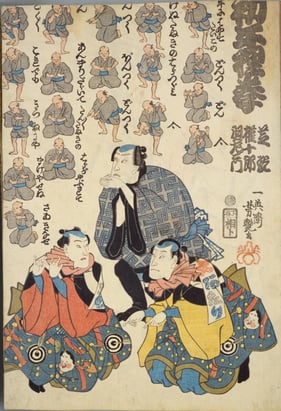
As you may know, the 12 zodiac signs, (十二支in Japanese) are:
Rat 子(ね)・Ox 丑(うし)・Tiger 寅(とら)・Rabbit 卯(う)・Dragon 辰(たつ)・Snake 巳(み)・Horse 午(うま)・Sheep 未(ひつじ)・Monkey 申(さる)・Chicken 酉(とり)・Dog 戌(いぬ)・Wild Boar 亥(いのしし)
The short version of determining the date is to put the zodiac signs in the calendar in zodiac order which has been used since ancient times.
To calculate the first horse day in February, start with the zodiac animal for January first, and then count in order. For example if January 1st is Chicken, then January 2nd is Dog, 3rd is the Wild Boar and so on.
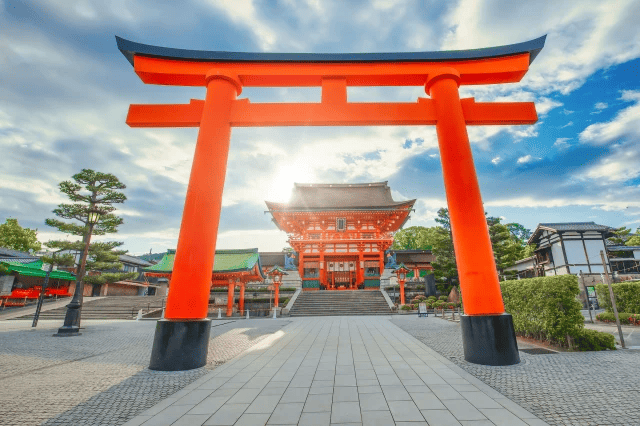
It is said that Fushimi Inari Taisha in Kyoto on Inariyama (Mt. Inari) is the head of all Inari Shrines. They are celebrating this very important day which is the founding day of Fushimi Inari Taisha.
Fushimi Inari Taisha and some other Inari Shrines celebrate Hatsu-uma-sai (Hatsu-uma Matsuri) on the first Horse Day in February using the solar calendar. However, our parent shrine, Shusse Inari Jinja, holds Hatsu-uma-sai using the lunar calendar. By the lunar calendar reckoning, the first month of the year is not the solar calendar's January. For example, if this year’s January 1st in the lunar calendar is February 12th in the solar calendar. February 1st in the lunar calendar is March 13th in the solar calendar which is the day of the Monkey. The Horse is the 10th zodiac from Monkey. So plus 10 is March 23rd! Voila! [Note: The dates are based on 2021, other years will vary.]
Uka-no-mitama-no-kami descended on Mt. Inari on the lunar calendar’s first Horse Day in the 2nd month. This day is usually close to the Spring Equinox. It is the time when the weather is definitely getting warm in Japan, animals appear frequently in the fields, and plants start to grow and bloom. We are sure people during ancient times felt the blessings of Inari Ōkami-sama just the same as we do in this modern age. It is also said Hatsu-uma-sai was merged with the Spring Matsuri which was the “Praying for a Good Harvest” matsuri in ancient times.
Shusse Inari Jinja has always held the Spring Matsuri at the same time as Hatsu-uma.
Every year in early February, Japan celebrates Hatsuuma (初午)—a traditional event that marks the first “day of the horse” (uma) in the second month of the lunar calendar. Deeply rooted in Shinto beliefs and agricultural history, Hatsuuma is a vibrant festival honoring Inari Ōkami, the Shinto deity of rice, agriculture, fertility, and prosperity. This day is especially significant at Inari shrines across Japan, with the most famous celebration taking place at Fushimi Inari Taisha in Kyoto.
Origins of Hatsuuma
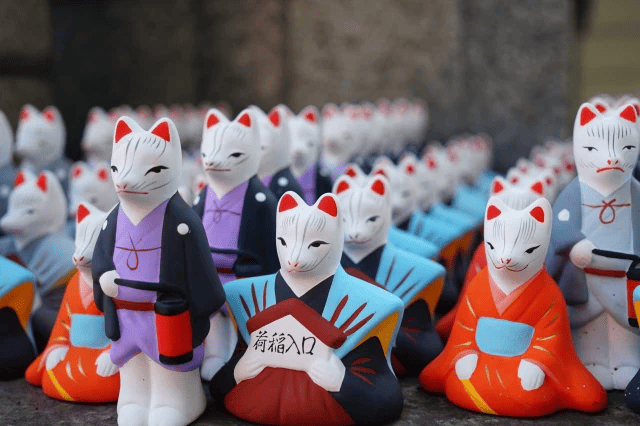
The origins of Hatsuuma date back over 1,300 years. According to legend, Inari Ōkami first descended to Mount Inari in Kyoto on the first day of the horse in February of the year 711. To commemorate this sacred appearance, the Fushimi Inari-taisha Shrine was founded. Since then, Hatsuuma has been observed annually, spreading to thousands of Inari shrines throughout Japan.
Inari Sushi and the Hatsuuma Festival
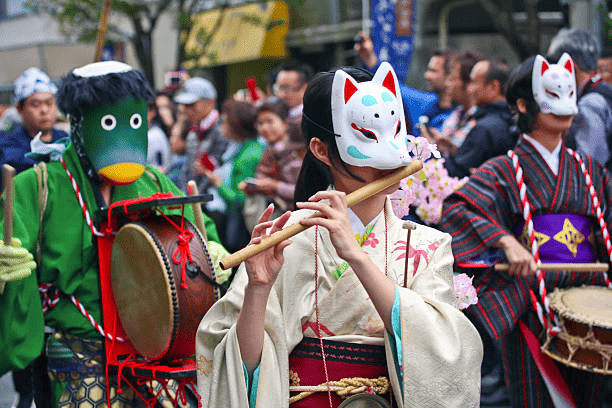
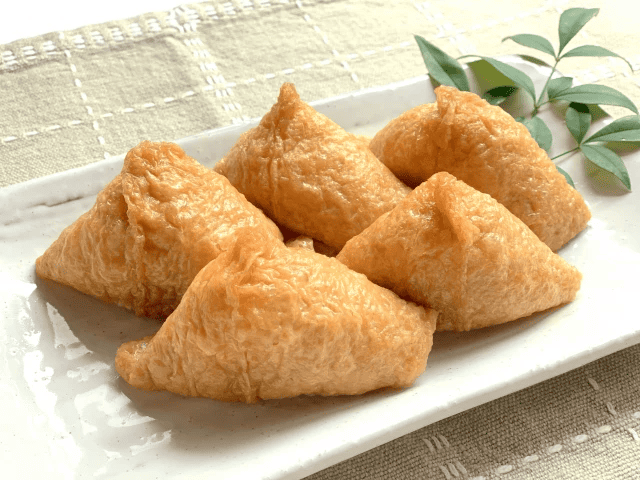
The Hatsu-uma Festival, a traditional event honoring the Inari deity, takes place on the first "Day of the Horse" in February according to the lunar calendar. During this festival, inari sushi is offered as a sacred food to pray for abundant harvests. Celebrated at Inari shrines across Japan, the Hatsuuma Festival reflects the deep cultural connection between inari sushi and Japanese traditions.
Japanese people can be very geeky. Everyday there is an anniversary for something. We celebrate foods, beverages, products, trees, etc.
We also love having certificates for many things. I’m one of those geeks who loves acquiring certifications. I’m officially qualified as a soy oil meister, a tofu meister, a fermented food meister, and a sake sommelier, not to mention my business credentials I earned while working at security firms.
Hatsu-uma (初午) Inarizushi (いなり寿司) Day is set on Feb 11th — established by the All Japan Inarizushi Association (一般社団法人 全国いなり寿司協会).
This term refers to an event that is held in February on the first day of the horse. The custom of worshipping Inari (the harvest deity) is found all over Japan, and hatsuuma festivals are held at shrines throughout the country including Fushimi Inari Taisha in Kyōto and Toyokawa Inari in Aichi Prefecture. The event celebrated on the second day of the horse race in February is called ni no uma ("second horse"). This festival is held in conjunction with hatsuuma. There are many places where groups called Inari-kō (Inari confraternities) make offerings of fried bean curd (abura age) and similar items before small shrines (hokora) to Inari and share food and drink.
The origin of treating the first day of the horse in February as the ennichi (special festival day) for Inari is said to be a legend that the deity (saijin) enshrined at Fushimi Inari Taisha descended from Mount Inari in 711 on the eleventh (alternatively, ninth) day of the second month, the first day of the horse, but whether that is genuine or spurious is undetermined.
Apart from serving as an ennichi for Inari, on this day one also sees events around the country related to horses, such as taking decorated horses to a shrine or to a horse-headed Kannon (batō kannon) for worship, or placing rice cakes (mochi) on the backs of straw horses and offering them to the tutelary deity of travelers (dōsojin). In places where sericulture is widespread, people also make mayudama (festive bamboo twigs hung with cocoon-shaped cakes) and rice cakes and offer them to the silkworm deity (oshirasama, kokagesama). The legend that the tutelary deity of the rice paddy (ta no kami) descended from a mountain on hatsuuma can be found all over the country.
Symbolism and the Fox Deity
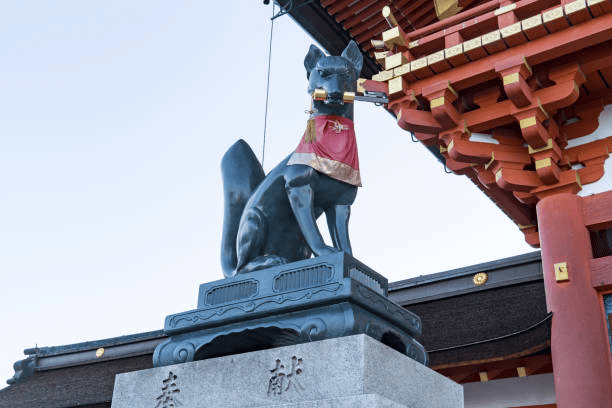
Inari shrines are easily recognized by their rows of vermilion torii gates and the presence of fox statues, which are believed to be messengers of the deity. During Hatsuuma, these foxes are honored with offerings, including inari-zushi (fried tofu sushi), believed to be a favorite food of the divine fox spirits.
Hatsuuma in Modern Japan
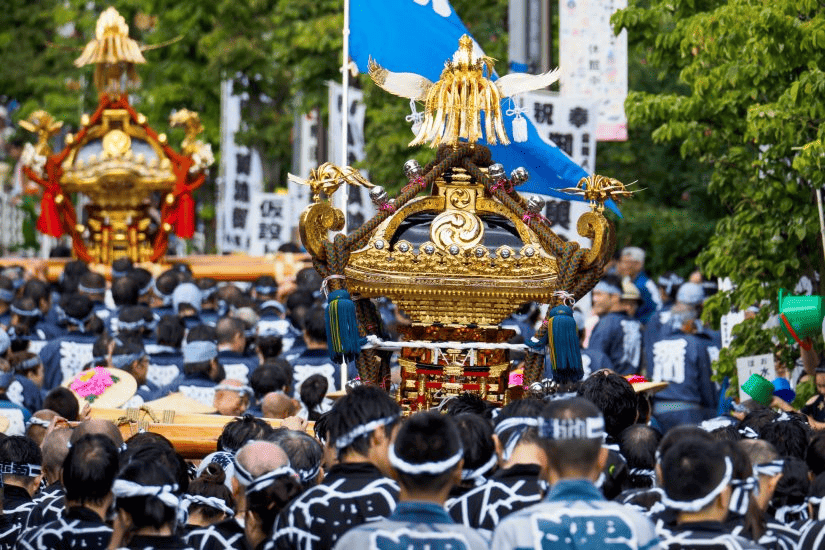
While not a public holiday, Hatsuuma continues to be widely celebrated in both rural and urban areas. In addition to religious rituals, local festivals often include performances, food stalls, and traditional crafts, drawing communities together to celebrate seasonal change and spiritual renewal.
Although the official celebration date is set on Feb 11th, the actual Hatsu-uma Day is Feb 10th this year. If you are in Kyoto, Kashima, Gunma, Ibaraki, or Saga, don’t forget to visit the Hatsu-uma Big Festival on the 10th at the famous Fushimi Inari Shrine, Kasama Inari Shrine, Kanmuri Inari Shrine, or Kashima Inari Shrine.
Hatsuuma (初午) is more than just a seasonal festival—it's a living tradition that reflects Japan’s deep connection to nature, spirituality, and community. Whether you're visiting a major shrine or witnessing a local celebration, experiencing Hatsuuma offers a meaningful glimpse into Japan’s cultural heart and its reverence for the divine forces that guide prosperity and growth.
What do people do on the Hatsuumasai?
On Hatsuuma, shrines are decorated with red and white banners, symbolizing good fortune and purification. Special mochi (rice cakes), often red and white in color, are prepared and offered to the deity. At places like Mabashi Inari-jinja Shrine, these ceremonial rice cakes are made while a traditional song is sung. The mochi is later offered to shrine visitors, typically accompanied by amazake, a warm, sweet fermented rice drink.
Prayers are offered for good harvests, family well-being, and business prosperity—echoing Inari's role as a deity of abundance and protection. For many local businesses and agricultural communities, Hatsuuma is a time to seek blessings for the coming year.
Traditionally people visit an Inari Shrine, known as the “Lucky Visit.” It is believed visiting brings good fortune to you.
We hope you will join our Hatsu-uma-sai & Haru Matsuri livestream ceremony and receive good fortune from Inari Ōkami-sama.
Get ready to eat some delicious inarizushi today! Itadakimasu!
Summary
Hatsuuma (初午) is a traditional Japanese celebration held on the first horse day of the second month of the lunar calendar, honoring Inari, the fox deity associated with prosperity, agriculture, and business success. The festival is rich in ancient rituals, where offerings of inari-zushi (sushi wrapped in sweet tofu skin) are made at Inari shrines across Japan. The festival not only honors the spiritual significance of Inari but also symbolizes renewal, protection, and growth—both for individuals and businesses. As this celebration has evolved over centuries, it continues to be a powerful reminder of the deep ties between spirituality, culture, and prosperity.
If you're interested, feel free to contact us!