Cultural Significance of Rikka in Japan
Seasonal Awareness
Japanese culture places strong emphasis on the changing of seasons, and Rikka is a reminder of nature’s subtle shifts.
It reflects mono not aware — the appreciation of transient beauty.
Farmers and gardeners begin preparing for summer planting, particularly rice cultivation, a central aspect of Japanese rural life.
Tied to the Traditional Calendar
In old Japan, the solar terms (like Rikka) were used alongside the lunar calendar to plan agricultural activities and seasonal festivals.
Even today, seasonal greetings or references to Rikka may appear in literature, haiku, or formal letters.
Seasonal Changes Observed
According to traditional understanding, Rikka marks when:
Frogs begin croaking (a sign of life reawakening).
Worms emerge from the soil.
Bamboo shoots begin to grow.
The atmosphere shifts from spring warmth to early summer heat.
Influence on Seasonal Foods and Festivals
Seasonal dishes begin to incorporate early summer vegetables, like bamboo shoots, green beans, and herbs.
Tea gatherings (茶会) in May may note Rikka as a seasonal theme.
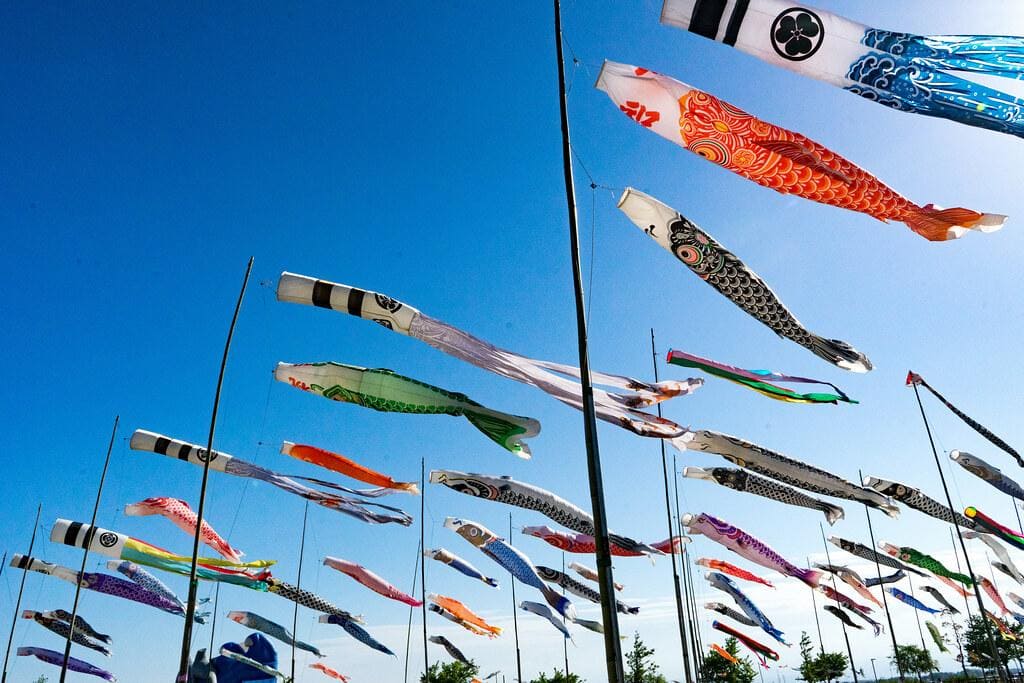
It coincides with Golden Week, a cluster of national holidays in Japan — particularly Children's Day (Kodomo no Hi) on May 5.
Philosophical and Aesthetic Resonance
Rikka symbolizes rebirth, vigor, and energetic renewal, paralleling spiritual practices that harmonize with nature’s rhythms.
The term evokes lightness, brightness, and a return to yang (陽) energy in the yin-yang cycle, reflecting an increase in solar strength and longer days.
Experiencing Oshogatsu: Tips for Travelers
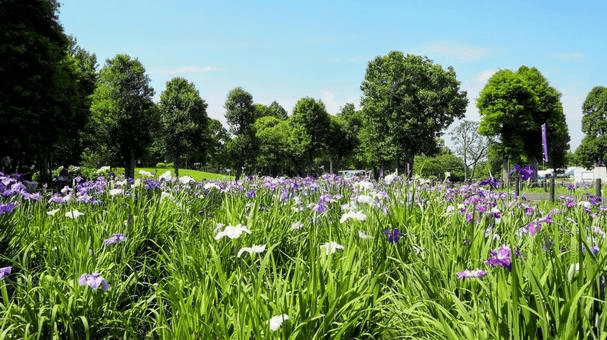
Traveling to Japan during Rikka (立夏) — the beginning of summer, typically around early May — can be a delightful experience. The weather is mild, nature is vibrant, and several major holidays and seasonal changes make it a culturally rich time to visit.
Here are some practical and cultural travel tips for Japan during Rikka:
Embrace the Changing Season
Nature is vibrant: Fresh greenery (新緑, shinryoku) is at its peak. Parks, mountains, and gardens are lush and full of life.
Visit places like:
Arashiyama in Kyoto for bamboo groves
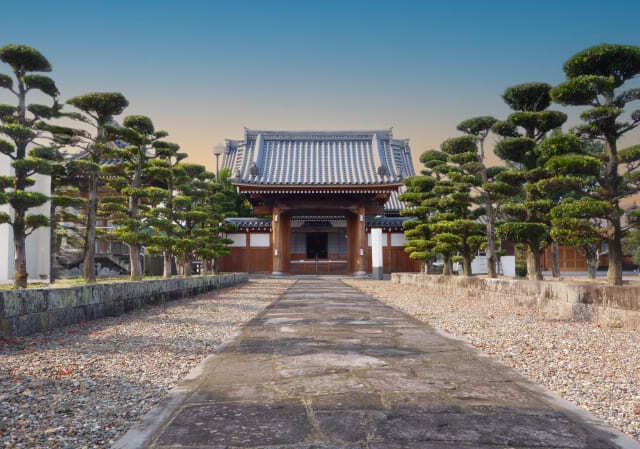
Nikko or Kamakura for temple walks surrounded by fresh foliage
Japanese Alps or Kamikōchi for hiking
Be Aware of Golden Week Crowds
Golden Week usually overlaps with Rikka (late April to early May).
Includes public holidays like:
Showa Day (April 29) https://243692628.hs-sites-na2.com/culture/showa-day-japan
Constitution Memorial Day (May 3) https://243692628.hs-sites-na2.com/culture/kenpo-kinenbi
Green Day (May 4) https://243692628.hs-sites-na2.com/culture/greenery-day-japan
Children's Day (May 5) https://243692628.hs-sites-na2.com/culture/childrens-day-japan
Expect high travel volume, crowded attractions, and fully booked hotels and trains. Reserve accommodations and transport in advance!
Dress for Mild but Warming Weather
Daytime temperatures: 18–25°C (64–77°F)
Light layers are best: a light jacket or cardigan is useful for mornings and evenings.
Bring a hat or sunscreen for sunny days — the sun begins to feel stronger.
Try Seasonal Foods
Early summer foods are light, fresh, and energizing:
Takenoko たけのこ (bamboo shoots) in rice or miso soup
Sansai 山菜 (mountain vegetables), often in tempura
Kashiwa-mochi 柏餅 : rice cakes wrapped in oak leaves (Children’s Day treat)
Early green tea (shincha) 新茶 — the first harvest of the year, rich in flavor
Celebrate Children's Day (Kodomo no Hi)
Held on May 5th, part of Golden Week
Look for koinobori (carp streamers) flying outside homes — each carp represents a child in the family.
Some places host traditional samurai armor displays or crafts for kids.
Enjoy Seasonal Onsen
A soak in an outdoor onsen (hot spring) during the fresh early summer air is a unique pleasure.
Popular onsen spots:
- Hakone
- Kusatsu
- Beppu
- ✍️ 7. Experience Seasonal Arts
Visit tea houses or traditional inns where seasonal themes like Rikka are reflected in flower arrangements (ikebana), kaiseki meals, and décor.
Explore haiku museums or poetry walks, where Rikka and nature themes are celebrated.
- 🌱 8. Be Mindful of the Spirit of the Season
Rikka is about renewal, vitality, and natural harmony. Try to:
Walk or hike instead of always taking transport
Notice the sounds of nature (frogs, birds, wind)
Slow down and appreciate seasonal transitions — the Japanese concept of kisetsukan (seasonal awareness)
Summary
Rikka (立夏) marks the traditional start of summer in Japan according to the 24 solar terms of the East Asian lunisolar calendar. Usually falling around early May, Rikka signals a seasonal shift—longer days, warmer breezes, and the blooming of early summer flowers. Though the weather may still feel spring-like, Rikka invites people to notice the subtle changes in nature and prepare for the vibrant season ahead.
In Japanese culture, Rikka is a reminder to live in harmony with the rhythm of the seasons and to welcome the energy, light, and renewal that summer brings.
If you'd like to travel to Japan, please feel free to contact us.